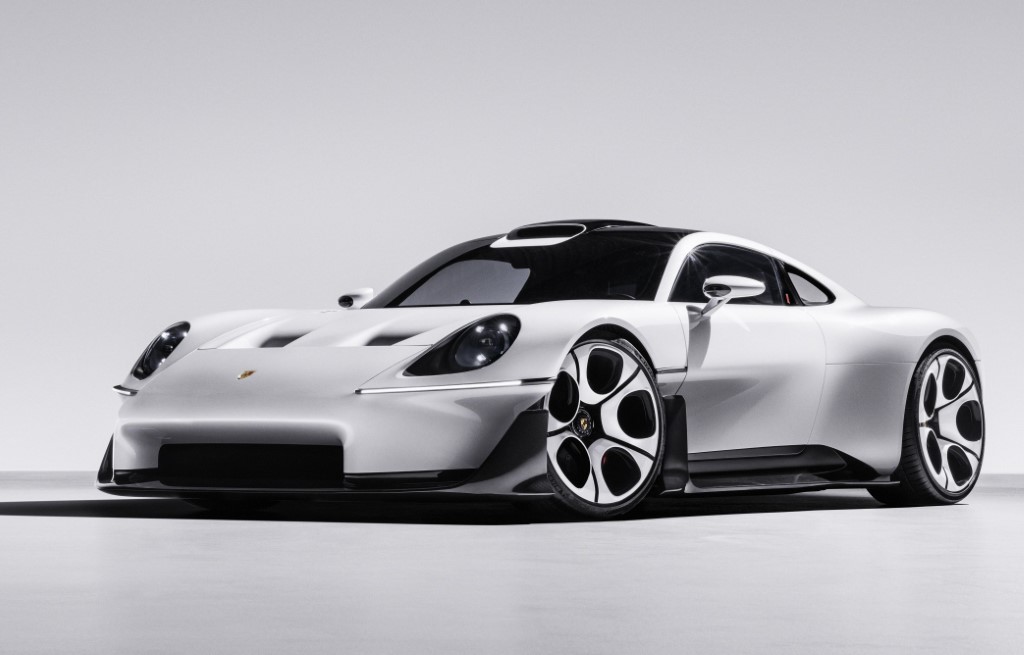
STUTTGART: Porsche is presenting a forward-looking vision model as a first glimpse of the brand's evolved design identity, as part of its ‘Sportwagenschmiede ’35’ strategic realignment,
Above the iconic 911 sports car, Porsche is planning, for the first time, a permanently available super sports car offer.
This is underpinned by decades of motorsport experience, innovative and brand-defining technology and the forward-looking design unveiled with the Mission S.
"A Porsche must be recognisable as a Porsche at first glance,” says Porsche AG chairman Dr Michael Leiters.
“The Mission S provides a glimpse of the ideas and design features that will shape Porsche in the coming years.”
“At the same time, the Mission S represents a mid-engined super sports car platform positioned above the 911 – not as a one-off hypercar, but as a permanent and versatile addition to our customer offering,” adds Leiters.
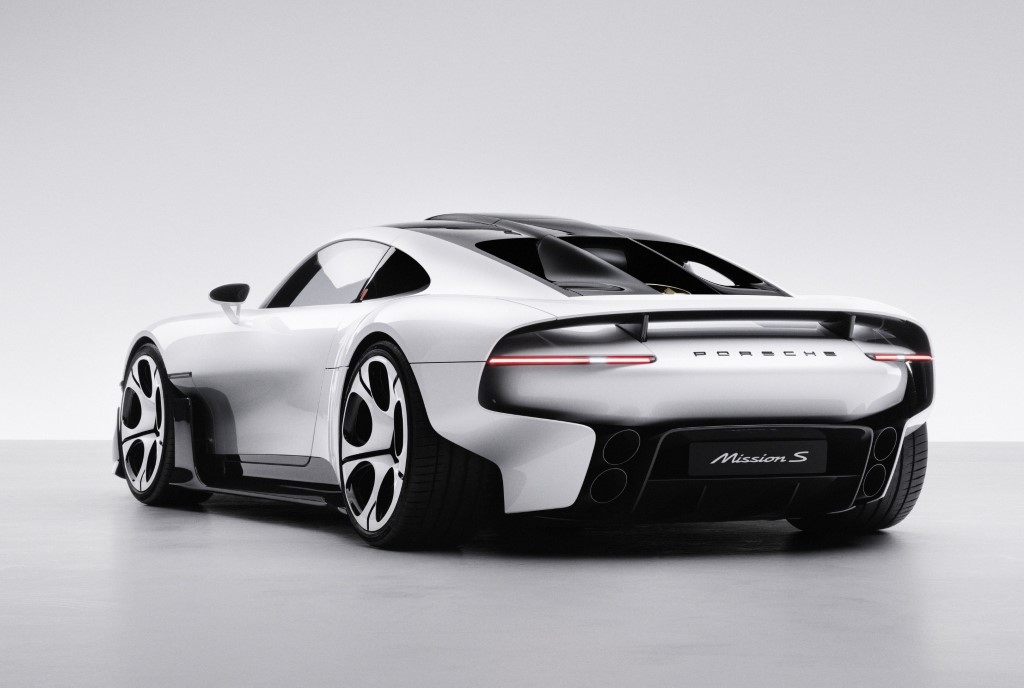
The Porsche Mission S celebrates its world premiere recently at a location of historical significance to the company: a pier in Queens, New York, with a view of the Manhattan skyline beyond.
The first pictures of the mid-engined Porsche 550 Spyder on this very pier made their way around the world in 1953.
As the brand's first super sports car, the 550 Spyder is still regarded today as having defined the company's identity.
The Mission S combines a powerful mid-engine super sports car platform with a clear design language inspired by historic Porsche icons.
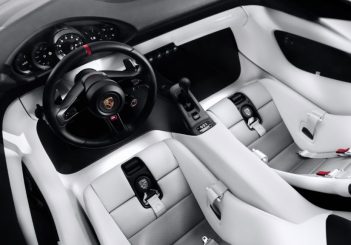
Inside, the focus is on purism, driver-oriented ergonomics and a forward-looking symbiosis of analogue and digital controls.
The deliberate reduction of digital surfaces focuses on direct interaction between driver and vehicle.
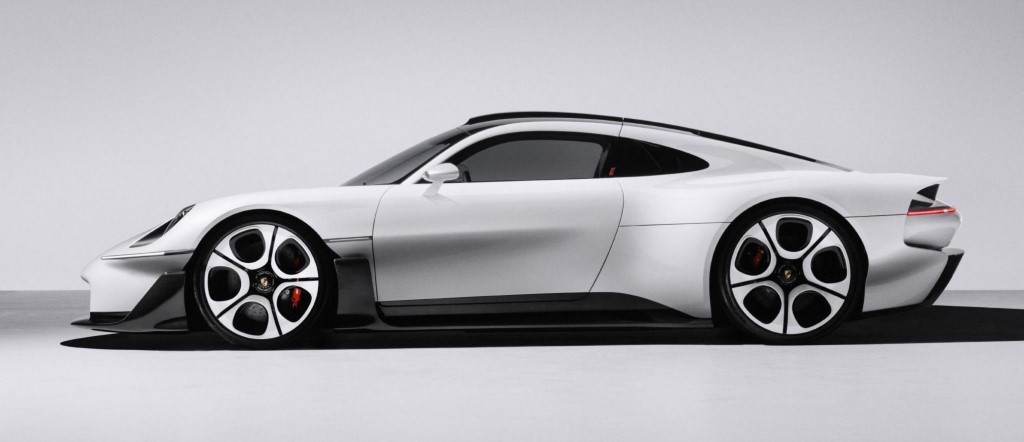
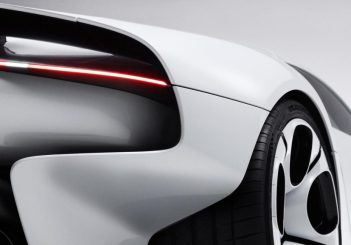
The exterior of the Porsche Mission S translates typical Porsche design features into the future.
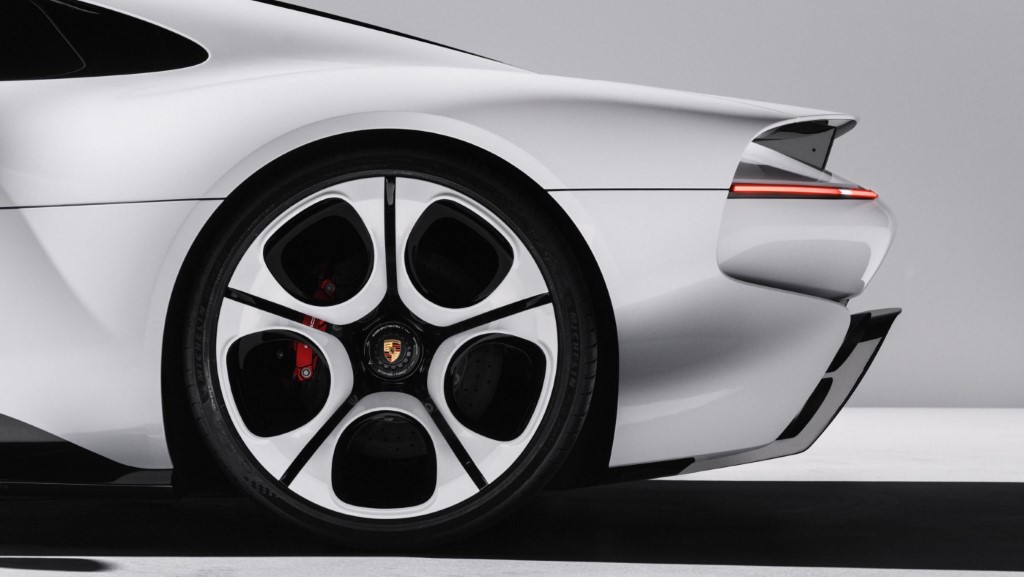
The characteristic torpedo fenders, the iconic roofline and the dramatic width-to-height ratio form central elements of the sports car architecture.
This results in what are known as ‘floating volumes’: flowing forms and surfaces that appear to float and create a powerful, technical-looking sculptural appearance and effectively showcase the performance character of the sports car.
A wraparound main line connects the light signatures at the front and rear, creating an overall appearance that is as striking as it is harmonious.
The round headlights and the striking fenders – which not only echo the familiar ‘torpedo’ design but also make the side profile more present – are reminiscent of the 911.
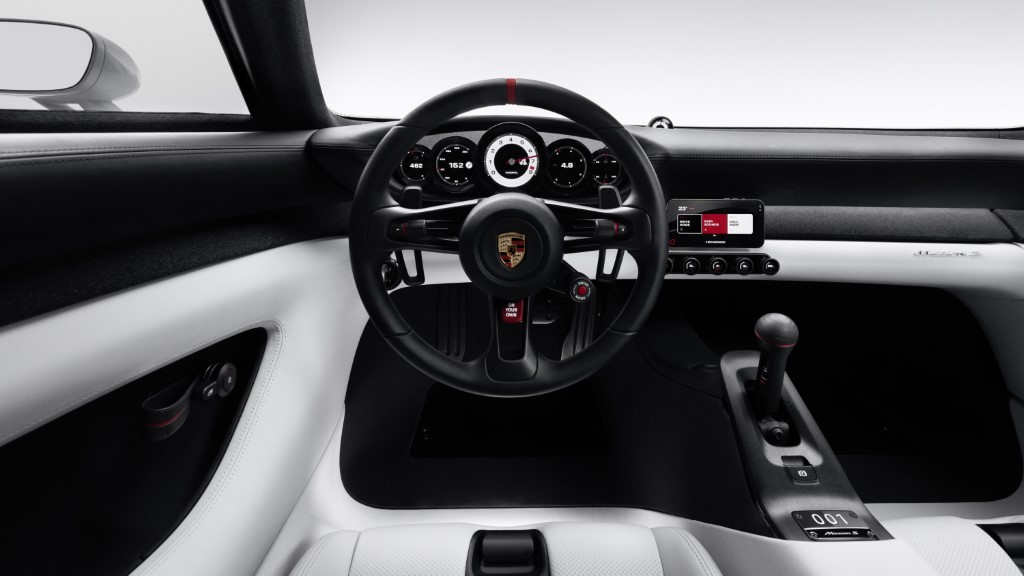
The interior architecture is based on historic Porsche sports cars such as the 550 Spyder and the 356.
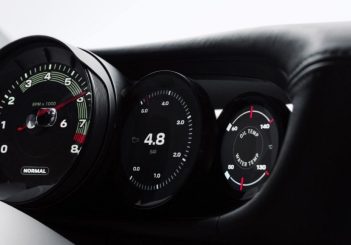
A smooth transition between analogue and digital controls makes the interior feel both familiar and modern.
Classic switches and buttons are combined with modern displays, creating an ergonomic layout that combine the familiar with the future.
The seats also follow this approach. New technical solutions, such as an integrated seatbelt buckle in the centre panel and repositioned electric adjustment controls, combine comfort, functionality and motorsport DNA.
The specially developed colours – Firn White Metallic, Light Red Metallic, Black Chrome and Special Black in the interior – reinterpret the classic Porsche Motorsport colours and emphasise the visual link to the brand’s sporting core.
The systematic alignment of all the controls towards the driver, combined with a mix of haptic and digital feedback, creates a particularly direct user experience.
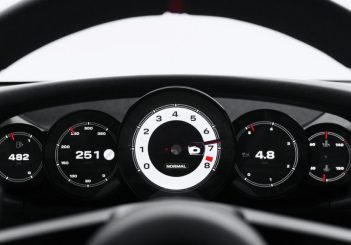
Highlights include the five characteristic round instruments behind the steering wheel.
At the centre is the rev counter with an analogue needle and a display positioned behind it.
Other innovations include the holder for the specially designed key, which is positioned to the left of the steering wheel, as is customary at Porsche, and the new control elements in the dashboard with a push-pull function, which allow direct access to various comfort and driving functions.
The reimagined Sport Chrono element also combines analogue character with digital precision.