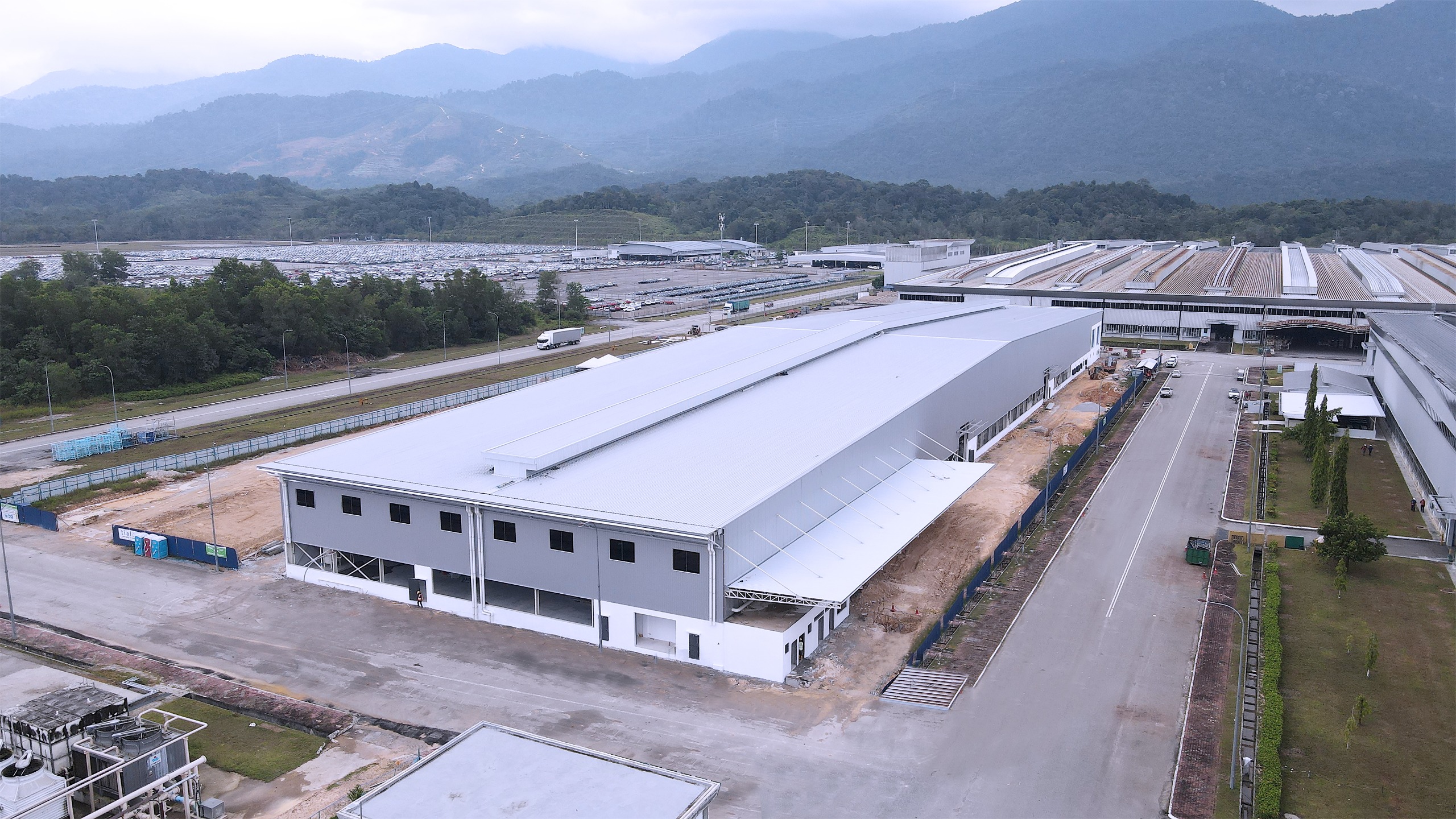
TANJUNG MALIM: Proton’s state-of-the-art electric vehicle (EV) production plant here has achieved great strides and it is nearing its completion, with the full-scale production process slated to begin in September.
Located within the company's high-tech Tanjung Malim compound, the building is now 90.4% complete and equipment installation is at 83.5%, with overall progress at 86.9% in just six months from the ground breaking ceremony in February.
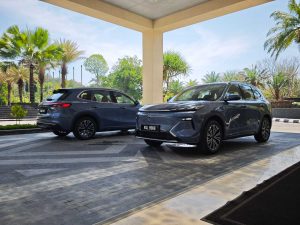
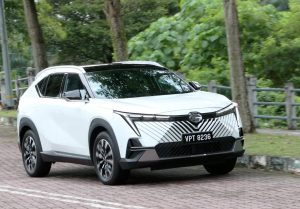
The first to roll off the line will be the Proton e.MAS 7 and e.MAS 5, Malaysia’s most anticipated entry-level EV, which is currently being showcased to the public on a nationwide tour.
Designed with scalability in mind and allowing for flexible adaptation to future models and production volumes, the plant will start with an initial planned capacity of 20,000 units per annum and increased to 45,000 units depending on local and overseas demand.
For key areas, each line could add several stations, with their tester lines being modular and capable of accommodating platform variations or multi-model production.
Infrastructure such as utility systems, material handling paths, and digital traceability tools like manufacturing execution system (MES) and warehouse management system (WMS) are already in place to support future scale-up without significant redesign.
Unlike those for internal combustion engine (ICE) vehicles, EV production lines require specialised areas for battery assembly, high-voltage safety, and electrical testing.
The new plant’s layout is adapted to accommodate flat EV underbodies and electric drive units, featuring dedicated zones, enhanced safety, and flexible line configurations for future scalability.
As part of this partnership, Geely has provided technical guidance on production systems, helped with equipment selection, and deployed experts to assist with installation and trial runs.
The plant has also achieved a Machine Try Out (MTO) critical milestone where the first car body was trialled in the factory.
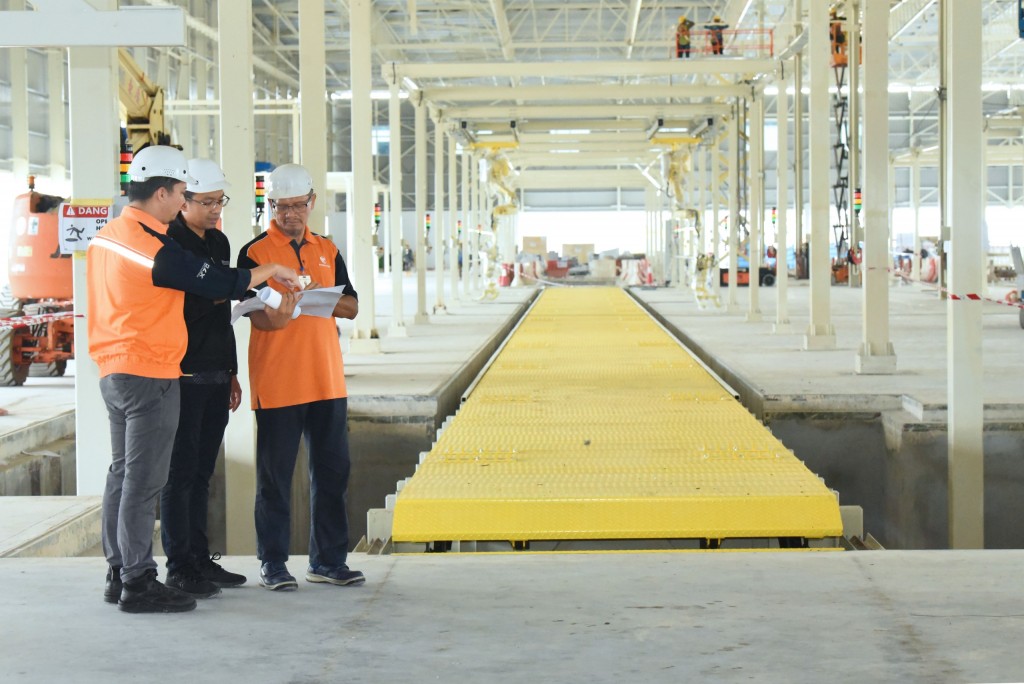
Proton's manufacturing engineering head Wan Yousry Mohamed said the trial run is to continuously check on the equipment readiness.
To support the ramp-up before launch, the plant’s immediate hiring focus is on critical operational and technical roles.
To-date, it has added 30 non-executives with Malaysian Skills Certificate (SKM) and diploma background with its immediate goal to fully train these key personnel before the full-scale production begins in mid-September.
This will eventually lead to the creation of over 200 new jobs, specialising in EV industrialisation and technical services, for the local community.
Proton is also collaborating with Polytechnic Sultan Azlan Shah (PSAS) by providing technical syllabus input and supporting hands-on training initiatives.
This partnership will help aligning academic learning with industry needs and support long-term workforce development.