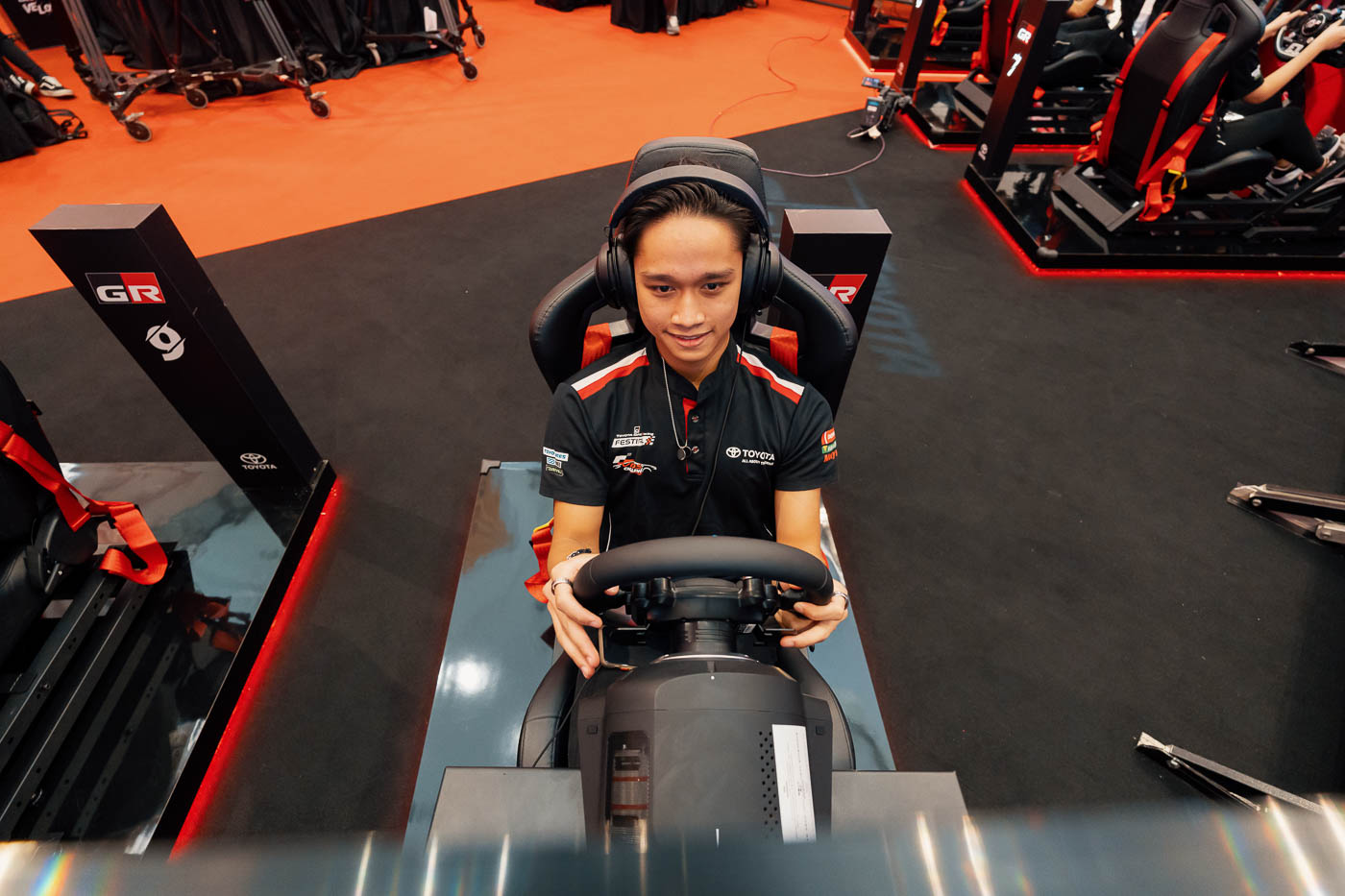
PETALING JAYA: Simulation (SIM) racing has gained quite a bit of traction in recent years.
Peaking between 2020-2022 during the Covid Lockdown period the scene has retained a decent growth since.
The sport itself has gotten quite popular especially with new ways to integrate mainstream brands into the digital world of sim racing.
Driving home the point is the past time's inclusion, for the first time in 2024, as an official sport in Sukan Malaysia (SUKMA).
This effectively makes sim racing a national sport.
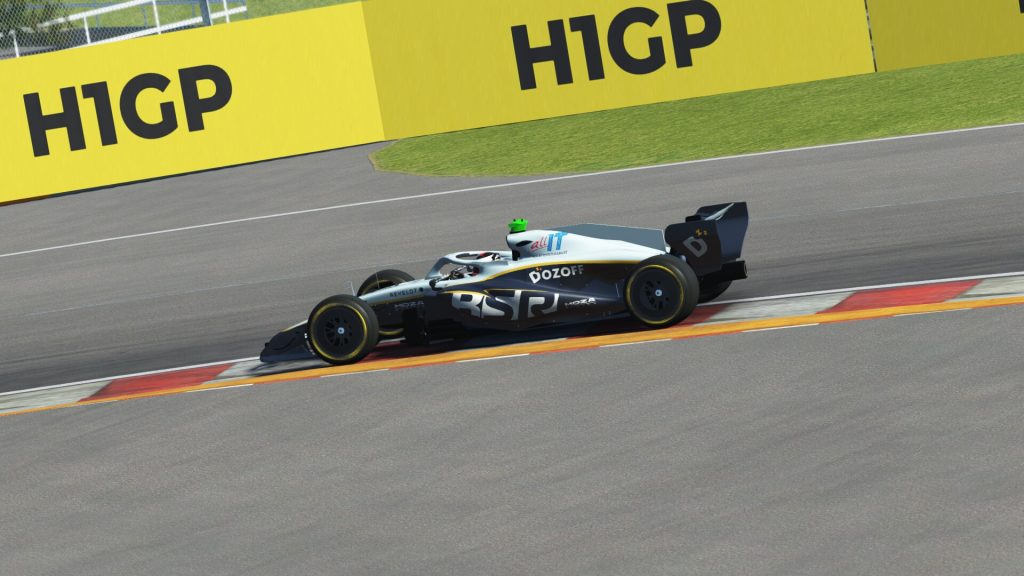
Even so, H1GP Sim Racing Championship founder Mika Hakimi believes the activity's potential especially in Malaysia is only in its infancy with room for growth.
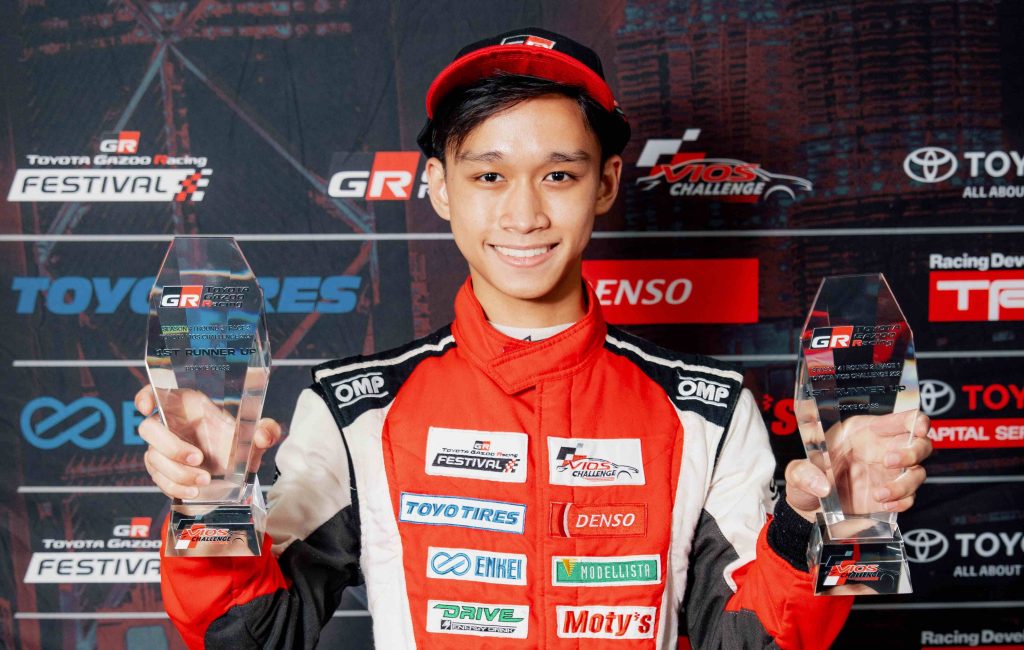
Dabbling in the scene from as young at 16 years old, Hakimi considers himself as one of the lucky ones that have been able to use sim racing to get into real world motorsports.
Now 23-years old, his efforts have since netted him gold wins at SUKMA.
It is a pathway he believes the local talent pool has yet to be fully tapped into as well as the prospects that follow however niche it may feel currently.
This is considering the participation of big brands as well as government institutions in addition of their support and acknowledgement of the sport.
"It isn't exactly new and for sure to go mainstream," he comments. "Many automotive brands are already doing this in Europe as a form of spotting talent.
"Porsche for example have their e-sports sim racers train in the same building as the engineering department for their motorsport division. So these drivers work together with elite engineers to refine their craft and their knowledge.
"Even non-automotive brands like Red Bull have hired e-sports sim racers to be a part of their F1 simulator program, where the e-sports racer trains with F1 drivers like Max Verstappen.
"These sim racers training with the F1 teams are also being paid a good salary. Some drivers who spend hours on the simulator working on car setups end up working as a data engineer for a real motorsports team.
"The potential is big, and the pathway is broad. I believe this is a hidden industry with great potential. The level in Europe is already sky high and we at H1GP are aiming to replicate and bring that into Malaysia," he adds.
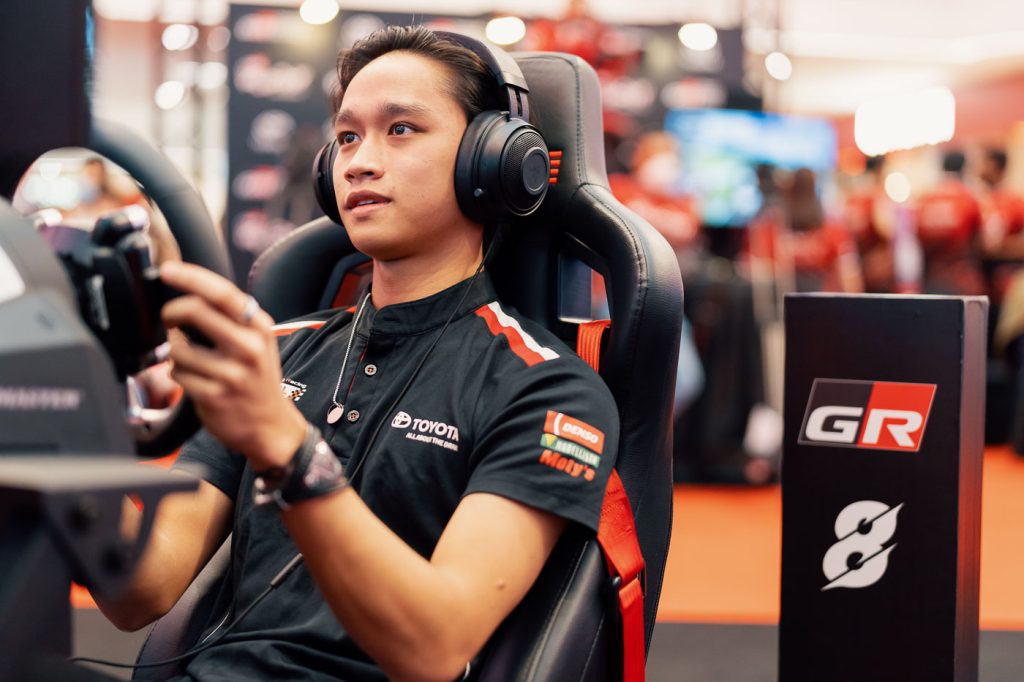
Determined to further nurture the scene, Hakimi while confident similarly understands all too well the hurdles that lie before his cause both by virtue of perception and economic means.
"I think this view that many people still see sim racing as just a game mainly comes from the limited knowledge that comes out of the sim racing industry.
"Almost nobody even knows about the stuff I just highlighted such as what Porsche and Red Bull did. The wider public would take it much more seriously if they knew more about it.
"It is a message that will take a while to grow in Malaysia, and will take a lot of effort, but it is one of the few things that will genuinely have a strong pull on people.
"In addition to that the biggest gap is accessibility. Sim racing equipment is not cheap especially if you are looking to invest in competition-grade ones.
"The average person would not be able to buy a full simulator in one go, so that is a problem that we would need to fix.
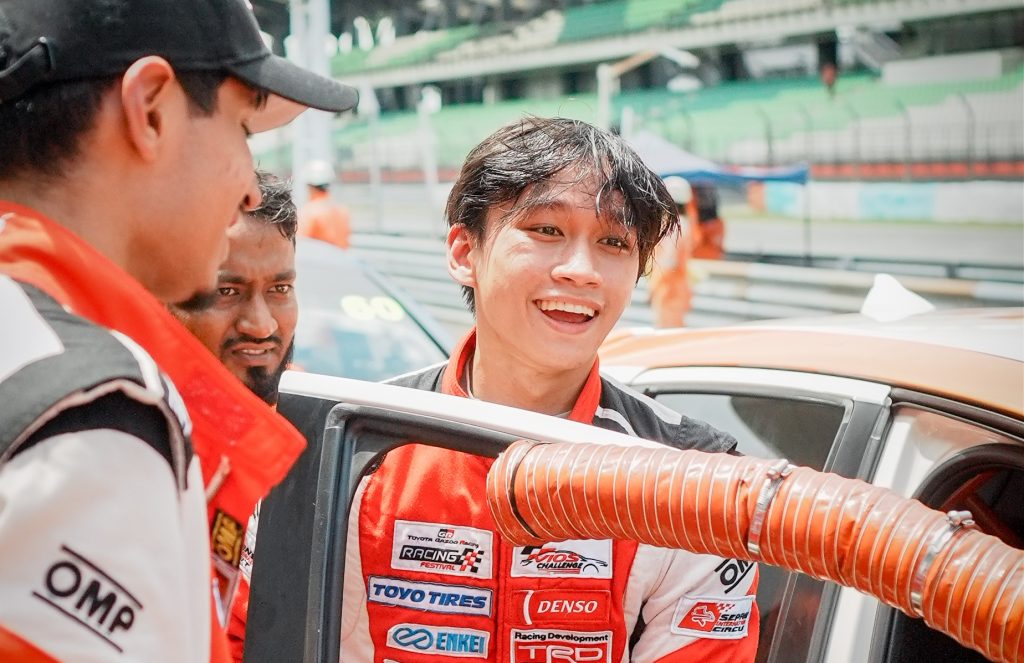
With the former issue boiling down to changing of views, Hakimi looks to address the latter matter through groundwork efforts.
"One of the best ways to bridge that economic gap is to bring the racing simulators to the people. We at H1GP aim to do this by holding events and by going to schools with a program.
"We are also working with a few government schools to integrate sim racing to the wider public. I envision that the activity will be one of the pinnacle disciplines in e-sports within the next 10 years.
"As it continues to grow, I imagine every kid in school between the ages of seven and 17 will look at the level of sim racing in Malaysia and will want to get a sim rig of their own," Hakimi says optimistically.