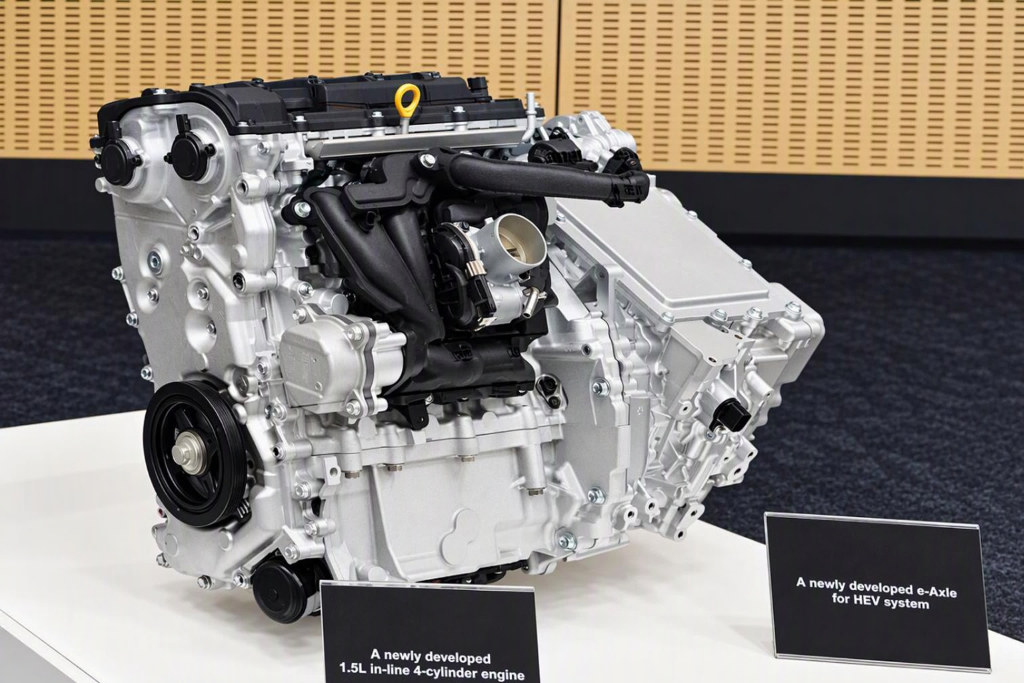
BRUSSELS: Toyota is developing a next-generation hybrid powertrain which combines a new family of four-cylinder 1.5-litre engines, in naturally aspirated and turbocharged form.
It will feature lighter and more compact electric motors, power control units and inverters.
Toyota is targeting more than 15 per cent better fuel economy with the new hybrid, which is also much smaller than previous systems.
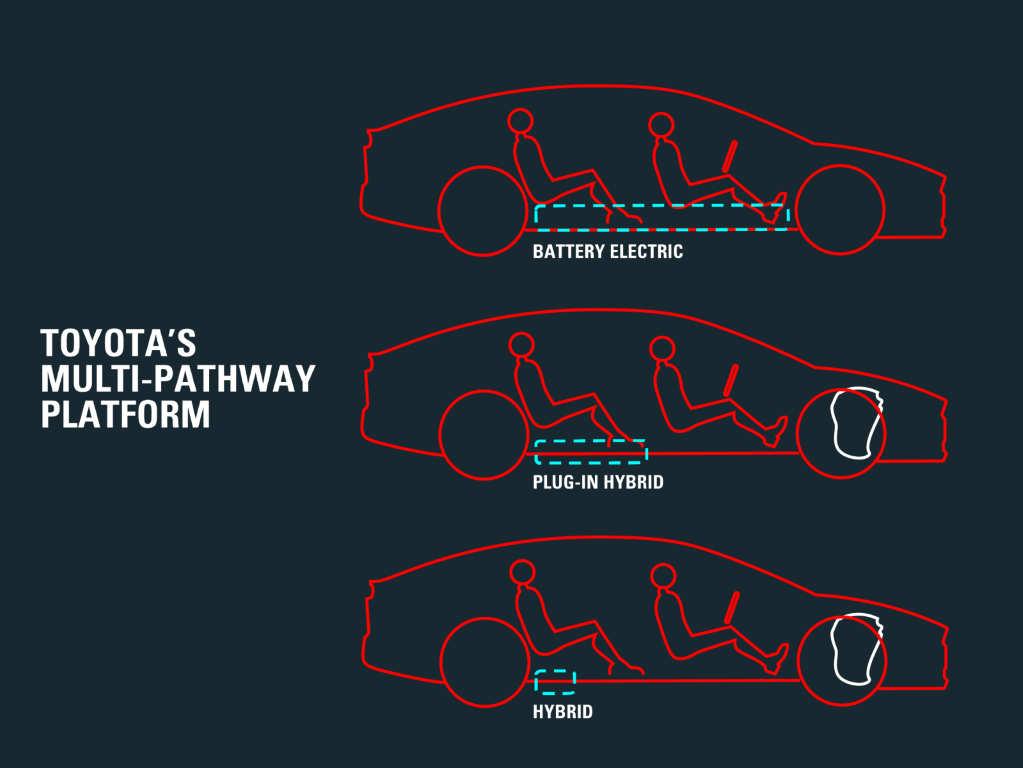
This will allow it to be packaged in platforms designed first for battery electric vehicles.
Toyota has not adapted an existing engine for electrified use.
Instead, it has developed the engine, hybrid system and power electronics together as a single integrated powertrain.
The new 1.5-litre engines were designed for electrification from the start and are smaller and more efficient than their predecessors.
The naturally aspirated version is designed to cover the performance range currently served by Toyota’s 1.8-litre engine and its current 1.5-litre three-cylinder engine.
The engines are paired with lighter, more compact electric motors and power control units, including Toyota-developed silicon carbide (SiC) power electronics.
Integrating these components more closely is intended to reduce losses across the whole system.
Hybrid and plug-in hybrid powertrains can be integrated into the same basic architecture without affecting vehicle silhouette, interior space or vehicle capability.
The lower-profile engine and hybrid package also allow lower bonnet heights and more dynamic vehicle proportions.
Designers can more freely style the shape of the vehicle with fewer constraints.
Battery electric, plug-in hybrid and hybrid vehicles will share a common architecture.
This means Toyota can spread development and production investment across higher combined volumes.
The result is greater financial and engineering economies of scale, without compromising the performance or capability of any variant.
The common architecture is also intended to allow manufacturing operations to seamlessly adjust the powertrain mix to closely match customer demand.
Toyota sees highly efficient hybrid technology as a continuing part of its multi-pathway approach to carbon neutrality; it plans to increase external sales of its new engine and hybrid technologies in the coming years.
The system is also being developed to run on renewable and carbon-neutral fuels.
This extends the contribution that combustion-based electrified vehicles can make to reducing emissions while battery-electric and fuel cell electric technologies continue to expand.