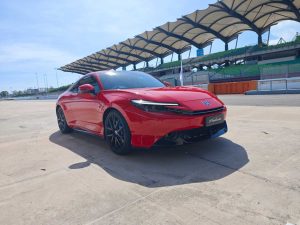
TOKYO: The Toyota Technical Centre Shimoyama (TTC-S) research and development centre recently held a media and stakeholder event to showcased the Japanese automaker's ever-better car-making initiatives.
At TTC-S, initiatives include a cycle of highly intense driving, intentional breaking, rapid on-site fixing and then re-testing.
This cycle is repeated many times a day. Through this, cars are refined and strengthened.
Underlying this philosophy was the late test driver Hiroshi Naruse's belief that roads build cars, which is clearly demonstrated at the Nürburgring.
This consists of driving on demanding roads, identifying failures, making prompt repairs on the spot, and then returning to demanding driving.
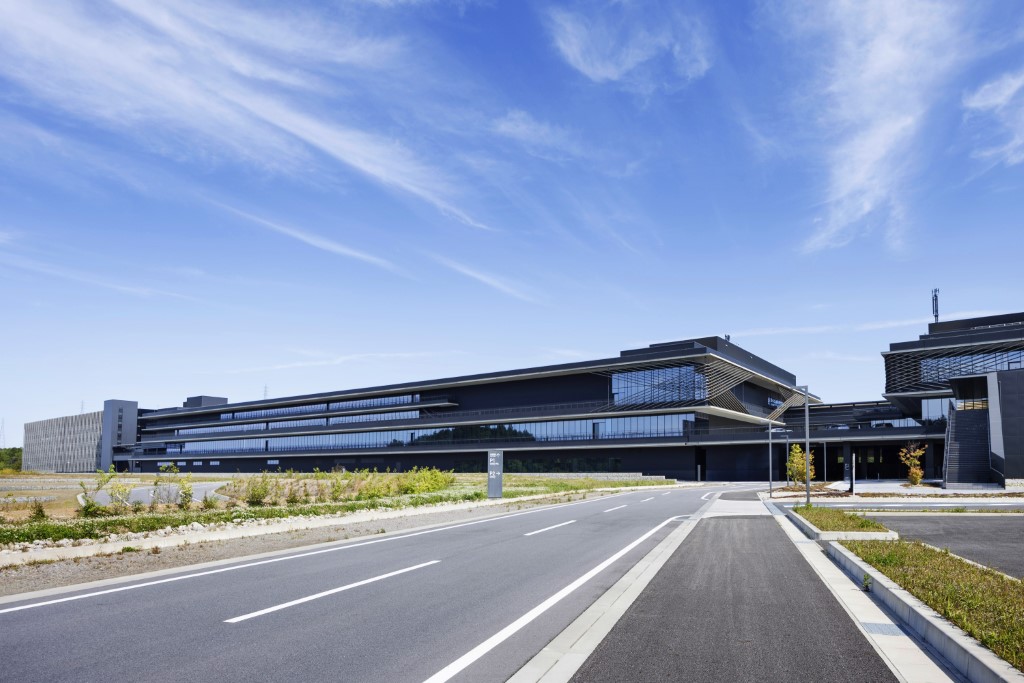
Construction of TTC-S began in April 2018, with full operations commencing in March 2024.
Interestingly, the centre's origins go back much further, tracing back to a question now chairman Akio Toyoda started asking himself 30 years ago: "Why can't we do what is done at the Nürburgring, but in Japan?"
The defining feature of TTC-S is its open-plan layout, which allows the entire development cycle ― design, engineering, evaluation, and maintenance ― to be carried out at one site.
With organisational barriers removed, 3,000 members from diverse disciplines work cross-functionally as a team.
Test Course Loop 3
Leveraging Shimoyama's natural terrain, this "country road" test loop is one-quarter the scale of the Nürburgring.
It is 5.3km in length and features 75 meters of elevation change with many intricate curves and demanding road surfaces.
Test drivers participated in its design, and construction took 10 years. The course is used to evaluate whether a vehicle can truly communicate with the driver.
Dirt Course
In response to Morizo's (aka Toyota Motor Corp chairman Akio Toyoda) strong desire to further push vehicles to their limits, this course was added to the original plan to enable training on unpaved courses such as rally and dirt.
This harsh unpaved course, where Morizo himself pushed a vehicle to the point of rollover, is used for base vehicle durability evaluation as well as GR parts development.
Maintenance Floor (1st Floor)
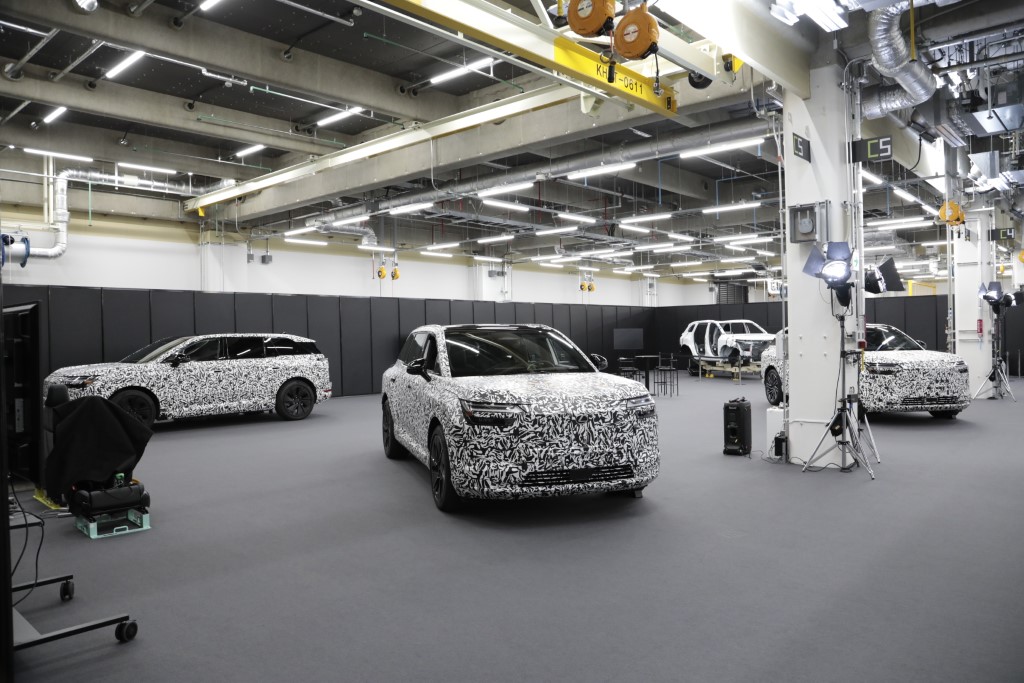
Accommodates up to 40 vehicles. With direct access to the test courses, mechanics repair and adjust on-site. Members from various disciplines work together hands-on to develop cars.
Planning and Engineering Floor (2nd Floor)
Located directly above the garage for immediate collaboration, here engineers analyse data and improvement measures.
Design Floor (3rd Floor)
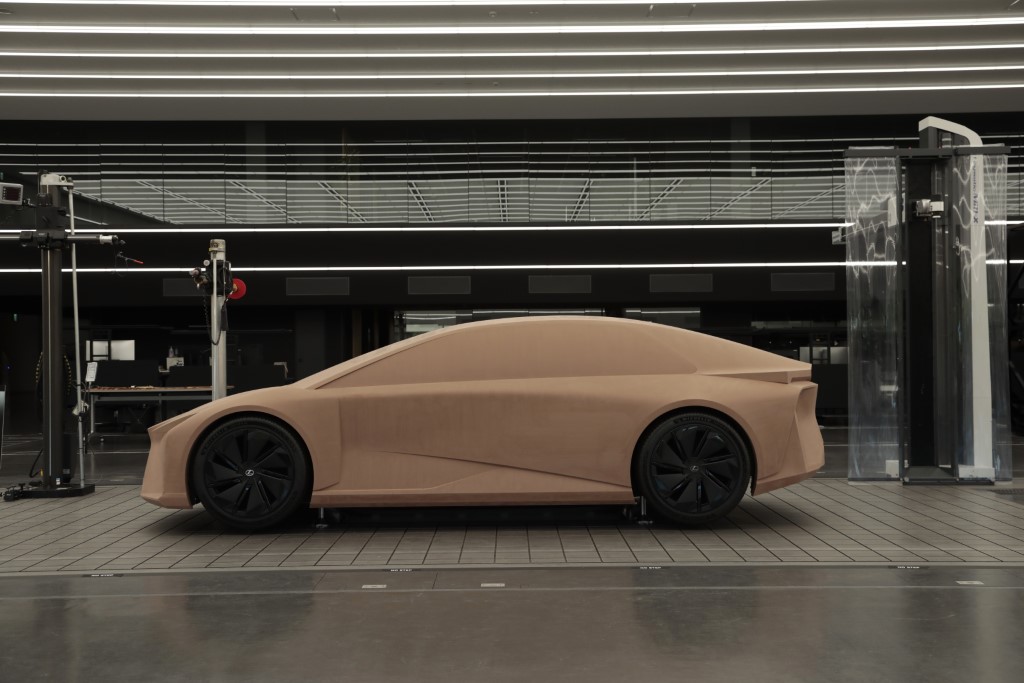
A space integrating clay modeling and digital reviews, enabling in-depth vehicle design refinement.
Discussions take place on the spot and cover tasks such as reviewing models indoors and outdoors and finishing life-size clay models.
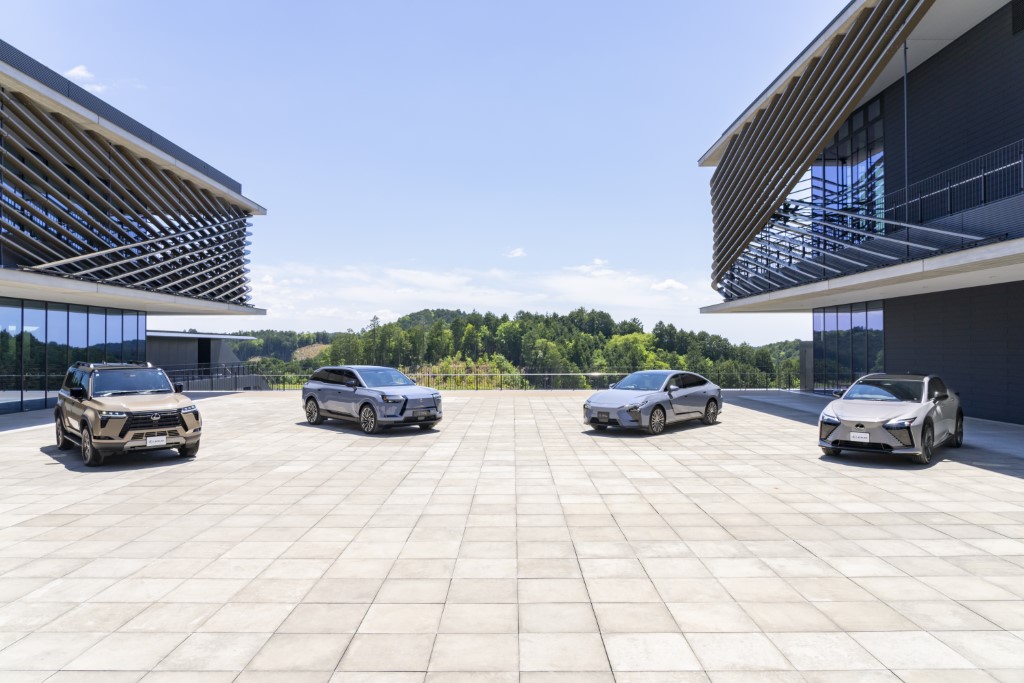
By repeatedly driving on the course, repairing in the garage, analysing on the floors above, and returning to the course, both the vehicles and the people who develop them are continuously refined.
Furthermore, having Lexus Company ― pursuing ultimate refinement ― and GR Company ― focused on the joy of driving ― on the same site allows teams with different values to learn from and inspire one another.