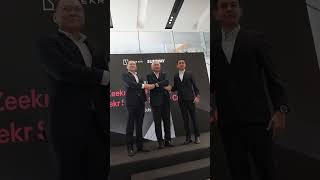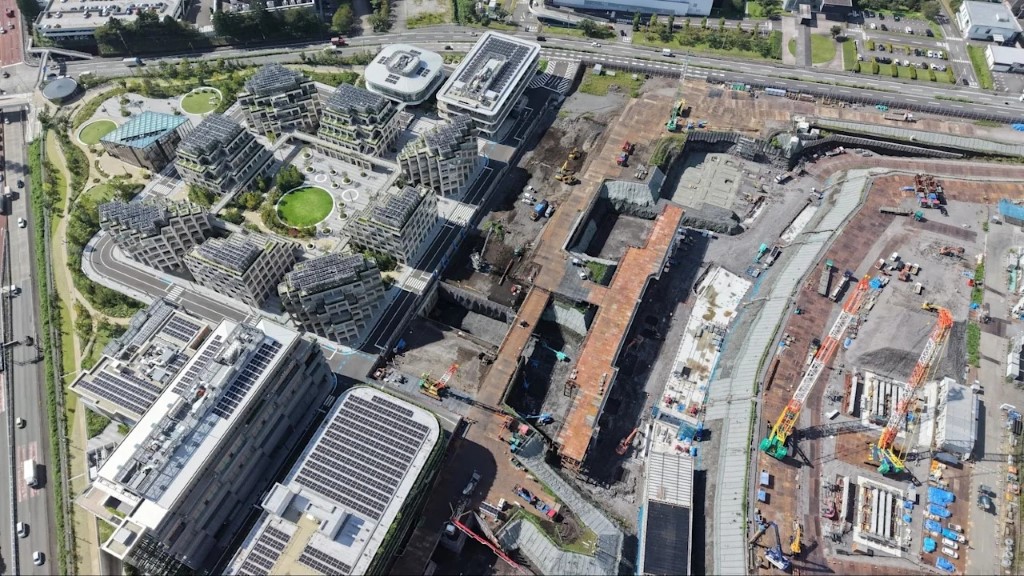
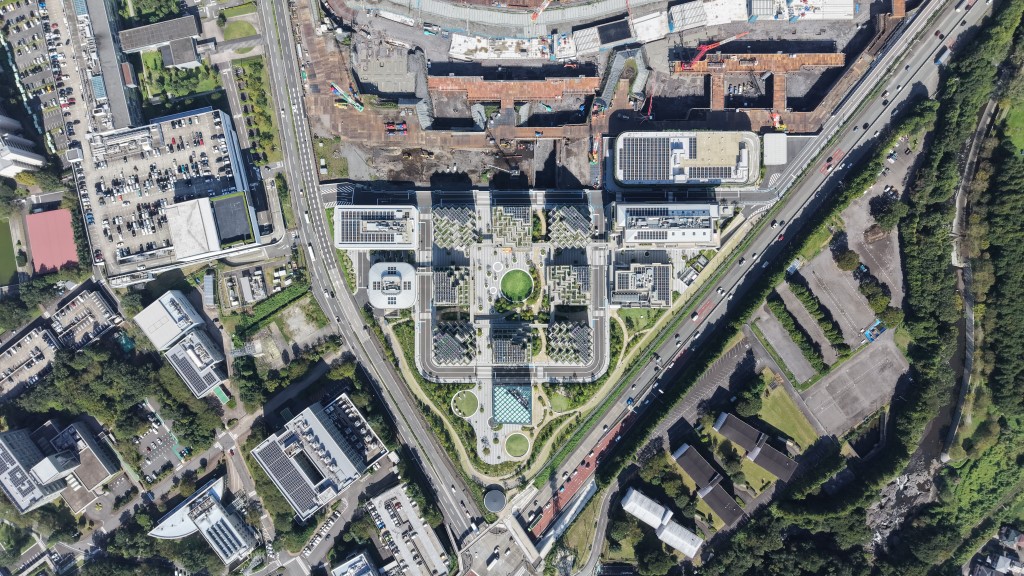
TOKYO: Toyota Woven City, jointly developed by Toyota Motor Corp and Woven by Toyota (WbyT), has marked its first anniversary and the steady expansion of proof-of-concept (POC) trials since its operations as a mobility test court began.
Woven City is a living laboratory designed to create new value through Kakezan — the multiplication of diverse strengths and expertise across industries.
As of September 2026, 30 POCs centred on residents are underway.
About 160 people across 80 households are participating as Weavers, the residents who take part in POCs.
The group includes residents of Susono City, where Woven City is located, as well as surrounding municipalities.
Inventors conduct POCs, gather feedback from Weavers and refine their products and services through cycles of Kaizen — a process of continuous improvement.
This cycle is now actively supporting the development of new products and services.
The Woven City Integrated Anzen System is one example, developed by WbyT and now being tested.
Under the recent partnership agreement signed between WbyT and Shizuoka Prefecture, WbyT will expand testing beyond Woven City within the 2026 financial year by installing devices in Shizuoka Prefecture government vehicles and collecting data.
The AI Robot Association (AIRoA) is also advancing POCs with Woven City residents.
Household robots provide daily living support such as tidying up and carrying items.
As of Sept 24, AIRoA has introduced the robots in 11 households, with more than 1,000 tasks tested to date.
Meanwhile, UCC Japan, which operates the Ueshima Coffee Lounge in Woven City, has developed a method to visualise in graphs more than 300 behavioural data points from POC participants.
As a next step, the company will leverage this visualisation method to examine how different types of coffee affect concentration levels.
WbyT plans to release Woven City AI Vision Engine 2.0, a major update to the current version, by the end of 2026.
The AI Vision Engine is currently used in the Integrated Anzen System and UCC Japan’s POC at Woven City.
AI Vision Engine 2.0 will expand its ability to describe real-world events in natural language, while adding capabilities to reason why events occurred and detect specific behaviours by people and mobility technologies in visual data.
The current AI Vision Engine has recorded a world-leading score on one vision language model benchmark, while AI Vision Engine 2.0 has recorded world-leading scores on more than 10 benchmarks*¹, including those measuring reasoning.
Also, seven new companies have joined Woven city as Inventors.
Woven City’s community of Inventors, the driving force behind Kakezan, continues to expand.
It includes four companies that won the Toyota Woven City Challenge – Hack the Mobility – accelerator programme: Aerial Base, Aillis, Inc, Joycle Inc, and NationX Inc.
Chubu Electric Power Miraiz Co Inc, Daihatsu Motor Co Ltd and Hitachi Construction Machinery Co Ltd have also joined as Inventors, bringing the total to 31.
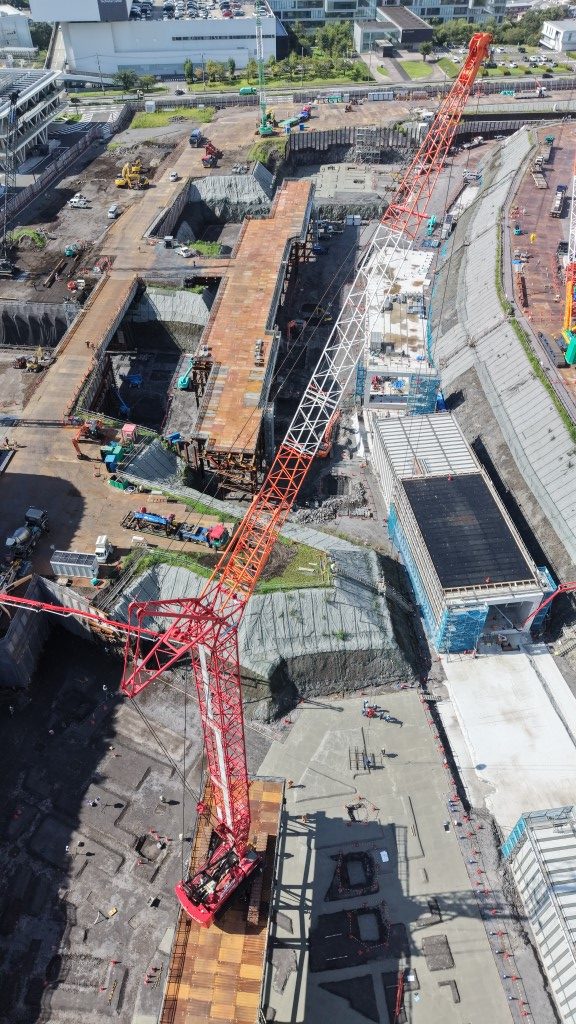
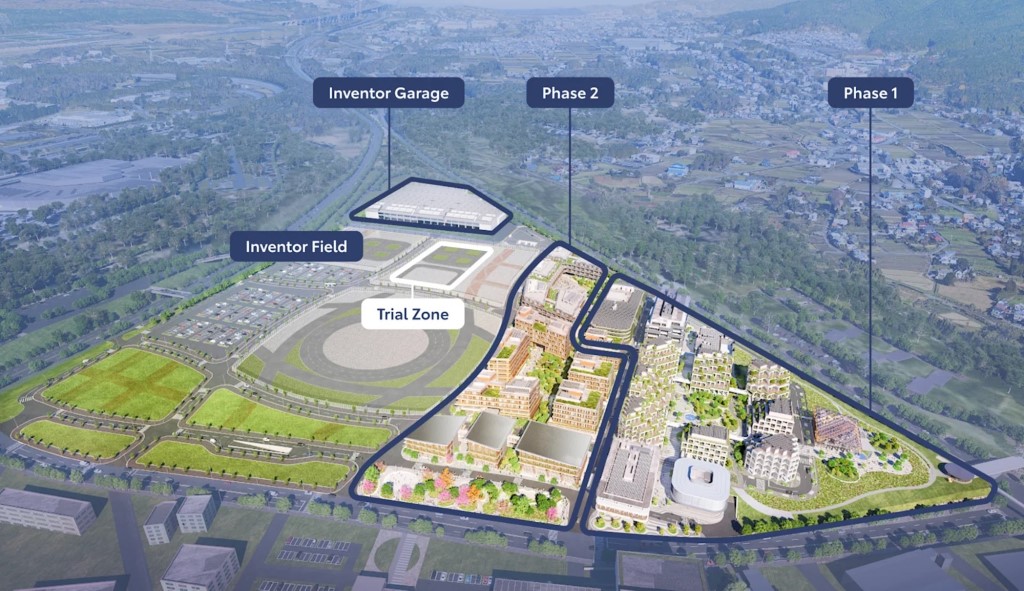
Construction on Woven City’s Phase 2 also began in September.
Site preparation work has been completed and the area is now scheduled to be finished by the end of November 2028, with a planned 600-resident capacity.
Phase 2 aims to accelerate POCs and build on Phase 1, where POCs started last year.
It marks a further expansion of Woven City’s total site area, which ultimately is planned to accommodate 2,000 people.
Starting on Oct 1, Woven City has opened visitor reservations to the general public in Japan.
The programme began in September with visits from residents of Shizuoka Prefecture and is now expanding nationwide.
Woven City was recruiting residents from Shizuoka Prefecture in August and received more than 1,000 applications.
Approximately 25 households are expected to move into Woven City around March 2027 through this programme.