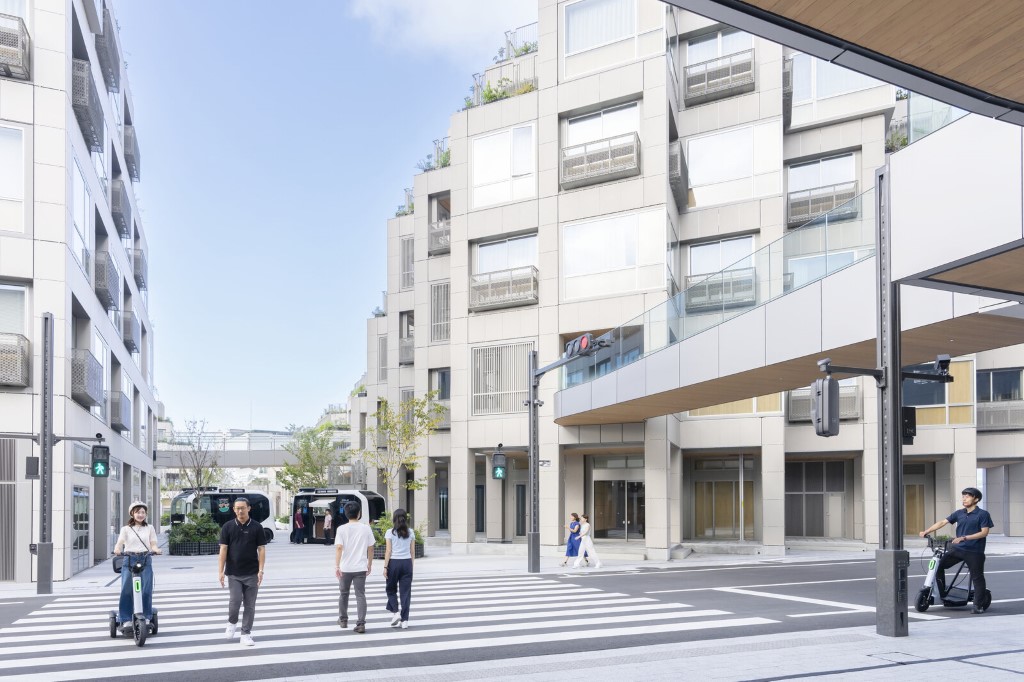
PICTURE this: A city where autonomous shuttles glide alongside pedestrians, smart infrastructure hums in the background, and hydrogen-powered personal mobility vehicles zip through tree-lined streets.
This isn’t a city of the future or a sci-fi film set.
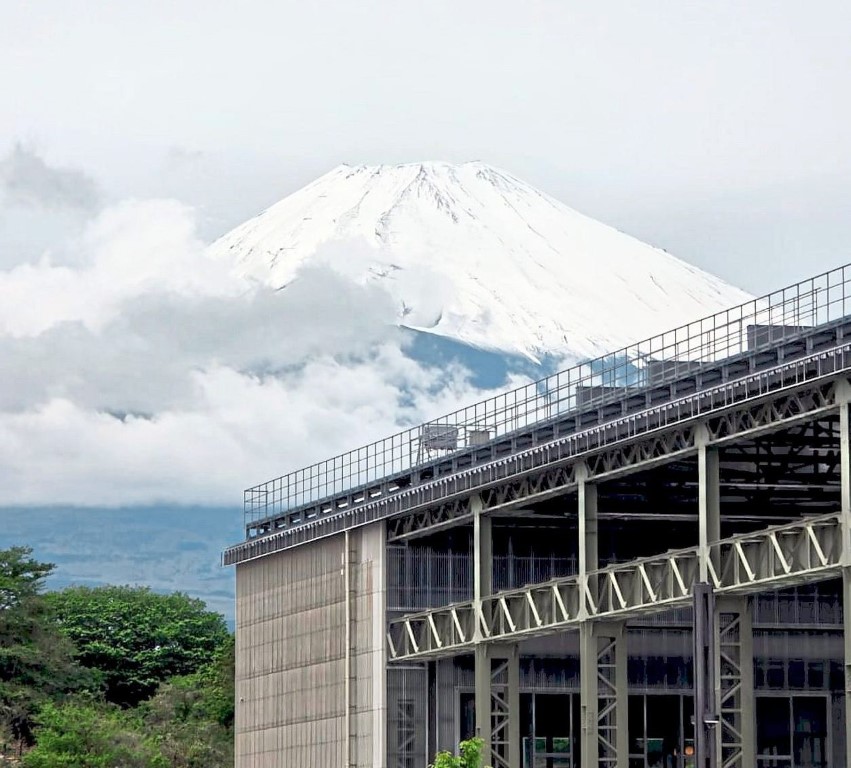
This is Woven City, nestled at the base of Mount Fuji in Susono, Shizuoka Prefecture, some 115km from Tokyo.
Operational late last month with 100 plus inhabitants, it is Toyota’s bold bet on redefining movement: not by replacing humans with robots, but by surrounding them with intelligent systems that make driving, walking, and living safer, smoother, and more human.
At the heart of it all? AI-driven initiatives from the Japanese automaker and its software arm, Woven by Toyota.
Unveiled in April 2026, these technologies – led by the Woven City AI Vision Engine – turn the entire city into a coordinated nervous system.
Cameras everywhere feed data into a powerful vision language model that doesn’t just “see” but truly understands context: people chatting on benches, kids chasing a ball across a path, or a dog darting toward the road.
It predicts behaviours, spots risks in real time, and shares that intelligence with vehicles, traffic signals, and even pedestrians via the Integrated ANZEN System (Anzen is the Japanese word for safety).
The result? A city where potential hazards are neutralised before they become problems – all while keeping the human experience front and centre.
Autonomous vehicles are already being tested in countries like China and the United States, but Toyota insists that these will not be deployed on public roads until they have been put through rigorous testing in Woven City.
Toyota’s chief technology officer John Absmiere emphasises that rigorous testing in this case is all about safety measures and emergency protocols.
“Statistically the set of autonomous vehicles that are out there now number in the thousands, but that is nowhere close to tens of millions of vehicles – the large fleets of autonomous driving vehicles that will be deployed in the near future.
“So, if you look at it from that perspective, you know, even if you’re talking 99.99% of the time, no issue.
“But even if there’s a 0.01% chance of that something goes wrong, then there’s an issue,” he told journalists from around the world who were present at Woven City recently.
Absmiere gave examples of what may define the 0.01%.
“The vehicles may not be able to see around a blind corner, or a small child behind a car that jumps out to where the sensors on the vehicle don’t have line of sight.
“Or don’t have the speed of compute to make a decision that quickly, those are the long tail issues that we think can be solved by our people at Woven City,” he added.
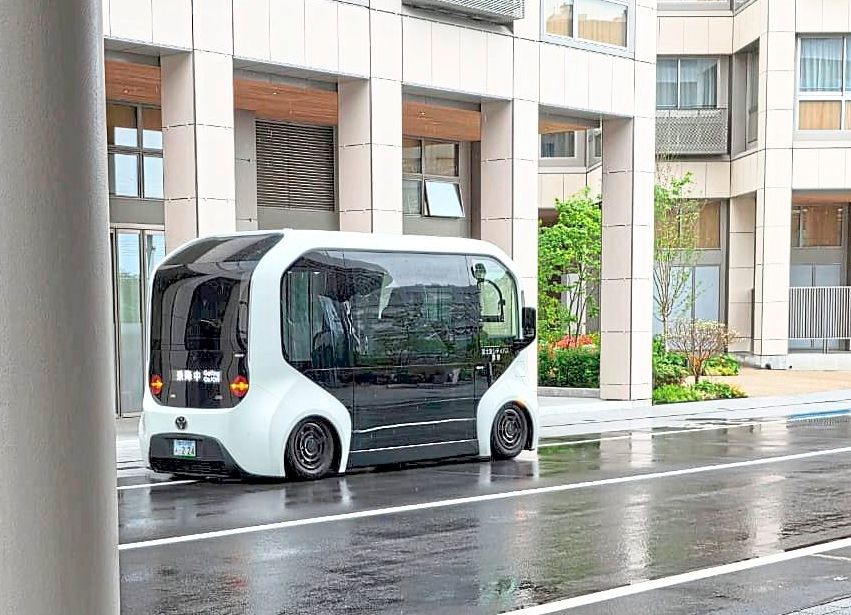
The inhabitants are a real, lived-in community of around 100 “Weavers” – residents who double as everyday testers.
Woven City isn’t just about cars. It’s about the full spectrum of mobility: people, goods, information, and energy flowing seamlessly.
Underground tunnels handle deliveries via autonomous pods, freeing surface streets for humans and lighter personal mobility vehicles (PMVs) like compact three-wheeled EVs.
Smart traffic signals talk to vehicles in real time, creating a three-pronged safety net of people, cars, and infrastructure.
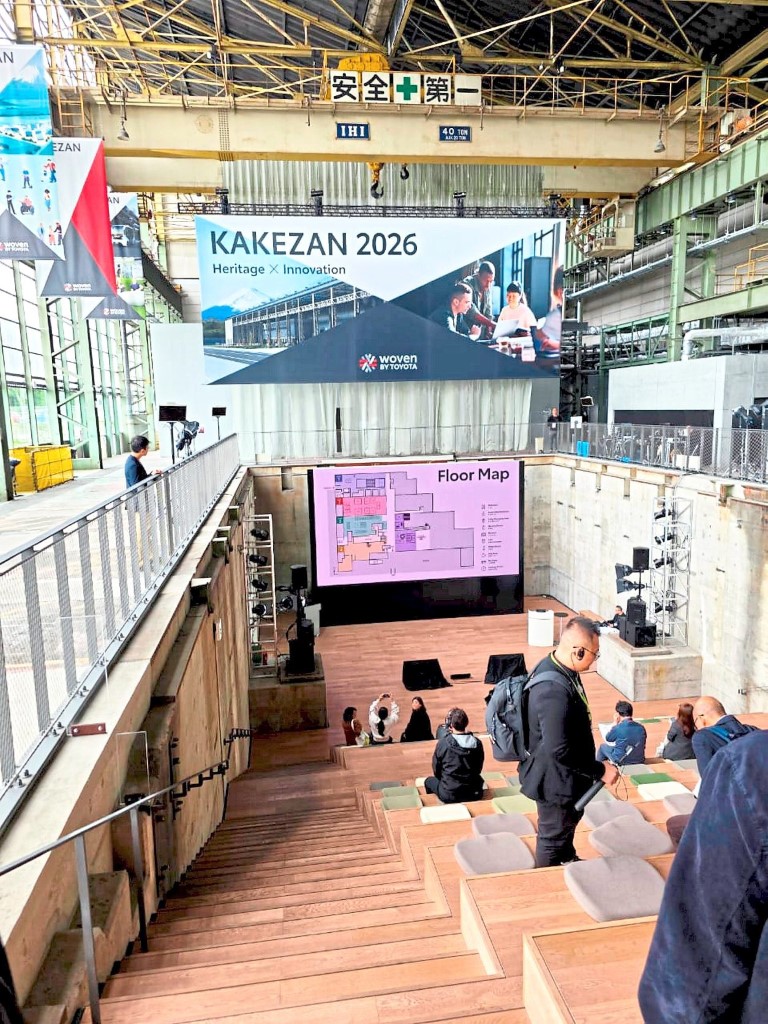
Residents experience this as subtle enhancements to daily life.
A commute feels less stressful because the AI anticipates congestion.
Evening walks feel secure knowing the system is quietly monitoring without intruding.
Crucially, this isn’t Big Brother surveillance or autonomous takeover.
Toyota’s philosophy is explicit: “AI should complement human intuition and ability rather than replace them.” The system enhances peace of mind.
Drivers still grip the wheel when they want to; the AI simply adds an extra layer of foresight that even the sharpest human senses can’t match in a complex urban environment.
In proof-of-concept tests with partners like UCC Japan, it’s already demonstrating how raw camera data translates into coordinated safety actions across the city.
This feeds directly into Toyota’s broader Mobility Teammate Concept.
Vehicles aren’t meant to supplant drivers – they’re partners.
Automated driving stacks, powered by the same full-stack AI approach used in Woven City, use layered safety guardrails and an Active Learning Loop to handle edge cases while deferring to human input.
The goal? Zero traffic accidents, but with the joy of driving intact.
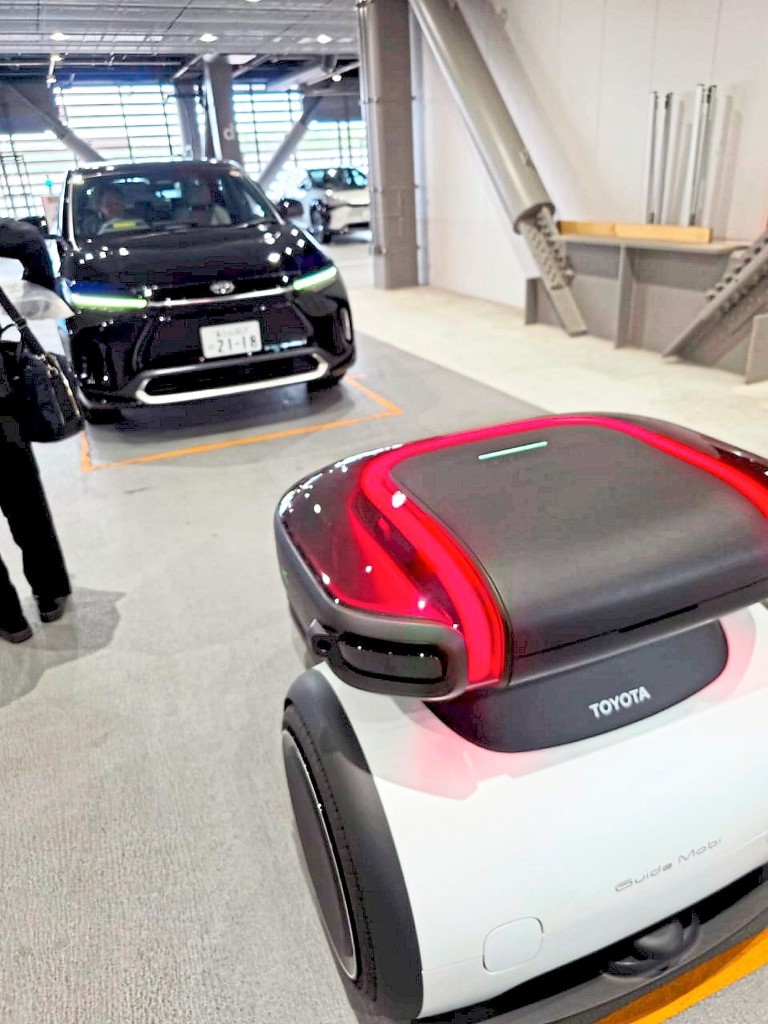
Guide Mobi robots can even summon and “tow” your car wirelessly for parking, freeing you from the hassle without stripping away control elsewhere.
In an era where some futurists dream of fully driverless utopias that sideline the human touch, Toyota is charting a different course.
AI here prioritises safety without sterility.
It enhances everyday life – fewer fender-benders, more intuitive journeys, greater well-being – while preserving the thrill of the open road and the simple pleasure of human connection.
As Woven City continues to evolve, it’s proving that the smartest mobility systems aren’t those that replace us.
They’re the ones that have our backs – quietly, intelligently, and always ready to hand the wheel back when the moment feels right.
The future of driving? It’s woven together, not overwritten.