LOS ANGELES: The time it takes to fuel an electric vehicle, long a stumbling block to EV adoption, is shrinking in the US, as more capable cars and trucks plug into a rash of new, high-speed charging machines.
US charging networks added about 11,300 ultra-fast cords last year, up 48% from 2024, according to Paren, a data platform focused on EV infrastructure.
And the high-speed buildout is only accelerating: In the fourth quarter, nearly one in four new chargers were capable of pumping at rates of 250 kilowatts or more, which can typically add 100 miles of driving range in less than 10 minutes.
"Rising charge rates are a significant tailwind," said Badar Khan, chief executive officer of EVgo Inc, one of America's largest charging networks.
"If the energy is going in faster, you don't actually need higher utilization."
In EVgo's two most recent quarters, utilization - a measure of how much time its chargers are occupied - dropped for the first time since the company's 2021 IPO, in part because its chargers were delivering more electricity per hour on average.
The shift to speed should both delight drivers and bolster the business case for charging networks.
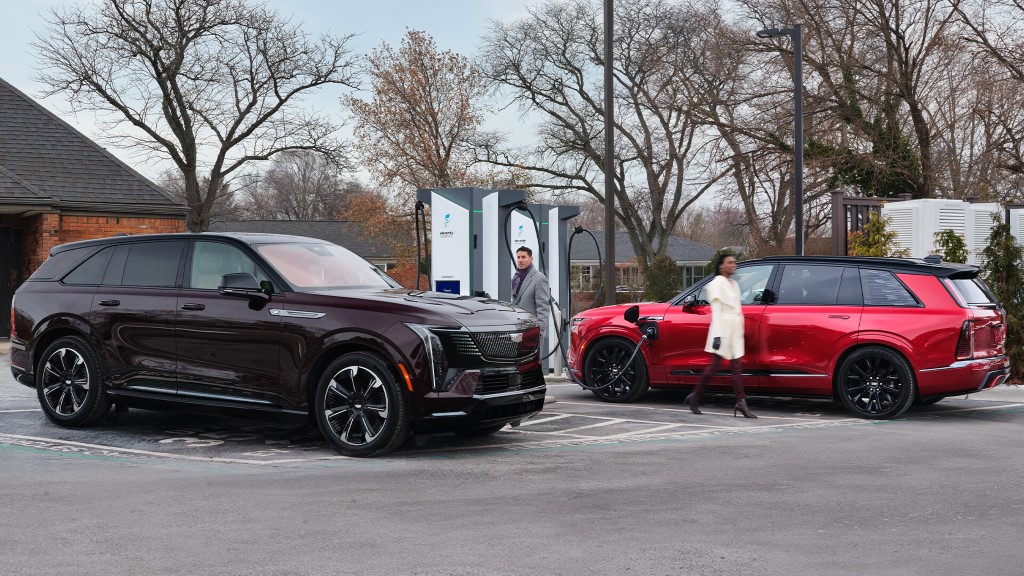
Ultimately, faster charging may be the final nudge in converting another crowd of EV skeptics.
In a recent Deloitte survey of potential EV customers, charging time ranked second only to driving range among concerns; it was seen as a bigger barrier than relatively high prices.
Charging speed is a complicated equation that depends on a range of things, from the type of car being charged to the ambient temperature.
But the charger itself is typically the most important factor.
A 300-kilowatt charger, all else being equal, can theoretically juice a 100 kilowatt-hour battery from empty to full in about 20 minutes, whereas it would take a 100-kilowatt charger three times as long.
At EVgo, about 60% of the charging cords are ultra-fast - 350 kilowatts or better. That's up from 15% four years ago.
"Pretty much everything we've been installing in the last two or three years is 350 [kilowatts]," Khan said. "If the driver is charging the same amount of kilowatt-hours, then the session times will go down."
To date, charging networks have aimed for a narrow sweet spot when it comes to traffic, being busy enough to make money, but not so crowded as to put off drivers.
With faster charging equipment -and cars capable of topping up more quickly - EV stations can pump more electrons in less time and help customers avoid lines.
While it's far more expensive to build a fast station than a slower one, the push for speed may mean networks eventually won't need quite as many stations, according to Krishna Esteva, head of product at Stable Auto, a startup that helps networks decide where to build chargers.
"It's one of those things that's a win for everybody," he said. "It's good for the drivers … and it's good for the station owners because each station you deploy is getting more profitable over time."
The cars, of course, are critical too.
At Electrify America LLC, which operates about 1,100 public stations in North America, 350-kilowatt chargers have been the standard for seven years, in part because the company anticipated a rush of vehicles able to accept higher speed charging.
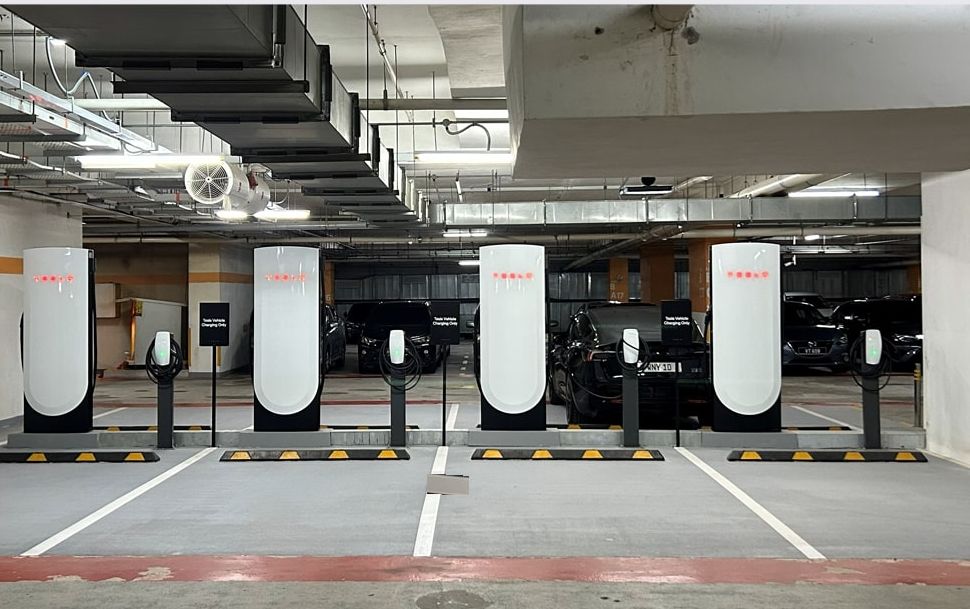
"Everybody called us crazy in 2018, but now, everyone is doing it, even Tesla," said Electrify America CEO Robert Barrosa.
Indeed, automakers have been steadily beefing up circuitry and software, allowing their machines to take on electrons more quickly.
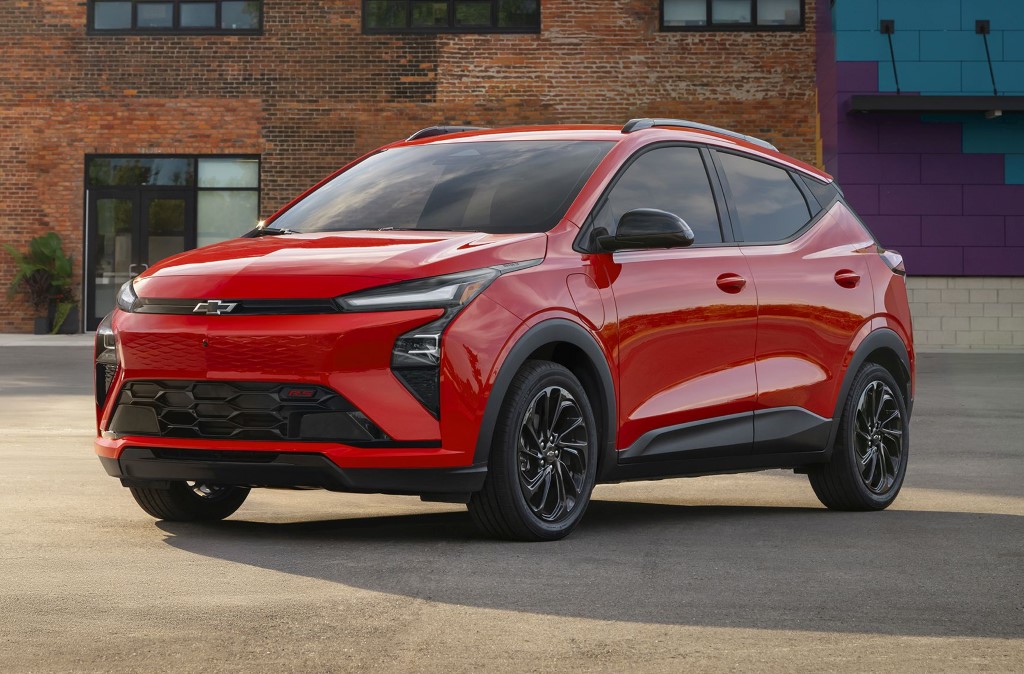
Five years ago, the Chevrolet Bolt, one of the most popular EVs, could charge at just 55 kilowatts.
Today's Bolt has a maximum charge rate of 150 kilowatts. Even that is now considered somewhat slow by industry standards, with much of the current EV fleet capable of charging at 300 kilowatts or more.
Meanwhile, Electrify America is pushing the accelerator further, building 400 kilowatt chargers and considering even faster units.
BYD Co Ltd, the Chinese EV giant, recently released new vehicles that will charge at 1,000 kilowatts, though they aren't available in the United S.
Ultimately, Barrosa said the charging race has engendered a virtuous cycle in the car world: More and faster charging stations will spur EV sales, which, in turn, will pump up charging profits.
"When you buy an electric car, that's the first thing you think about," he said. "We've got to get that calculus out of consumer minds to really make the transition happen faster."