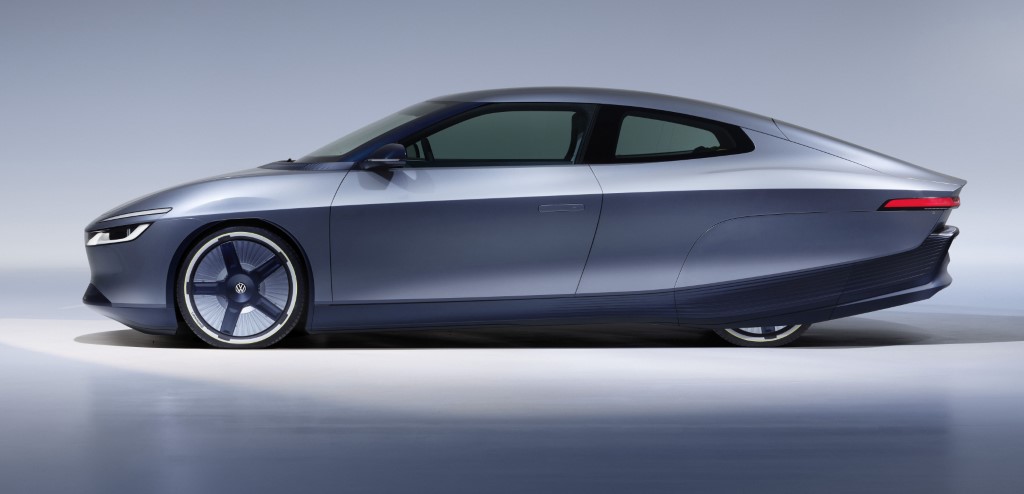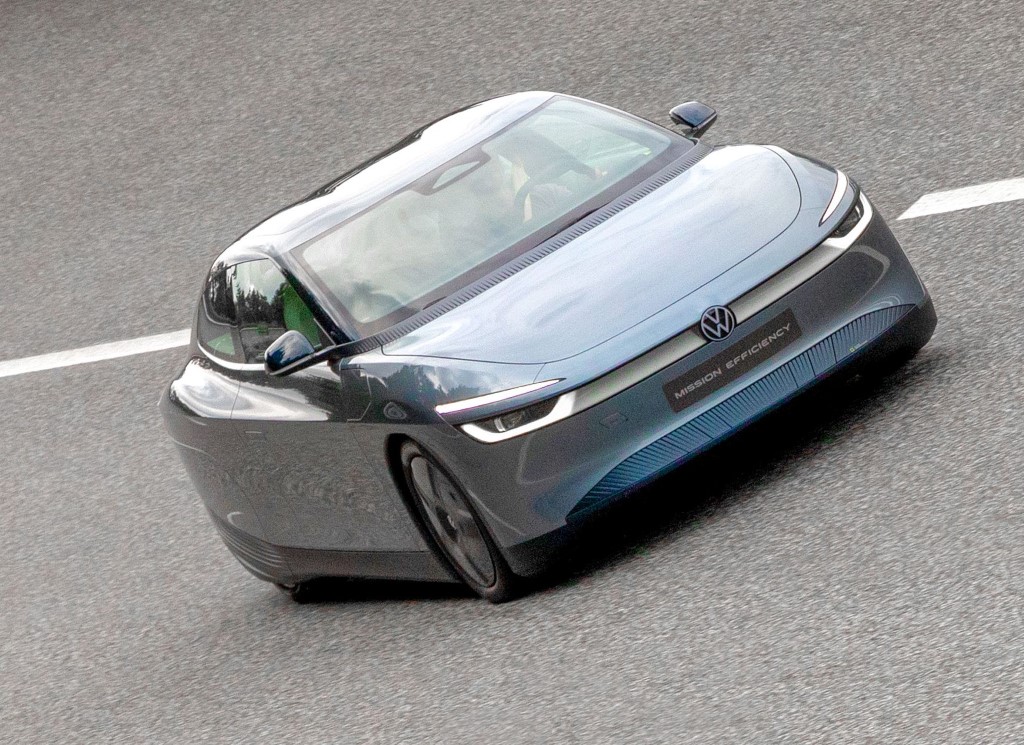
WOLFSBURG: Volkswagen's new Mission Efficiency prototype is the world's most efficient near-production electric car.
The prototype has set three world records.
The vehicle achieves a Cd value of 0.158 - a new record for road-approved cars.
Another world record was set when it recorded a consumption of 6.48kWh per 100km during a so-called “ideal trip”.
The Mission Efficiency is also the most economical near-production electric car in its class, thanks to its aerodynamics and a highly efficient electric drive from the ID. Polo.
Volkswagen brand CEO Thomas Schäfer said, "Mission Efficiency is the ideal way to demonstrate what distinguishes Volkswagen in the electric age: technology for the masses – not just for the few."
"Rather than using specialist technology, the vehicle set its three world records using affordable production technology from the ID. Polo and ID. Cross, based on the MEB+ platform with front-wheel drive."
"This shows how much potential efficiency we can add to the latest generation of our electric cars. Developed in Wolfsburg and built by Kai Grünitz and his team, the Mission Efficiency is a symbol of German engineering expertise with clear customer benefits.” he added.
Two of the features adopted from the ID. Polo are the 99 kW (135 PS) electric motor and the high-voltage battery.
The ground-breaking low air resistance is the Mission Efficiency’s central aerodynamic feature.
It consists of a flow-optimised teardrop shape, small frontal area, active cooling air flaps, clad rear wheels and a fully clad underbody.
The doors to the Mission Efficiency feature frameless windows, while the door handles have been integrated into the outer skin for optimum air flow.
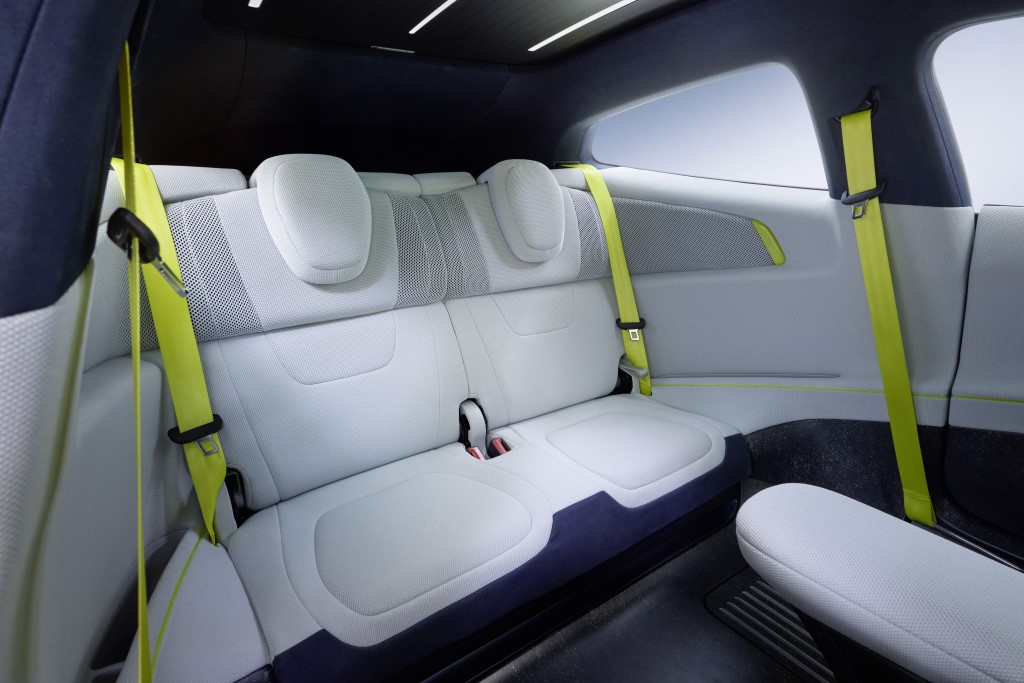
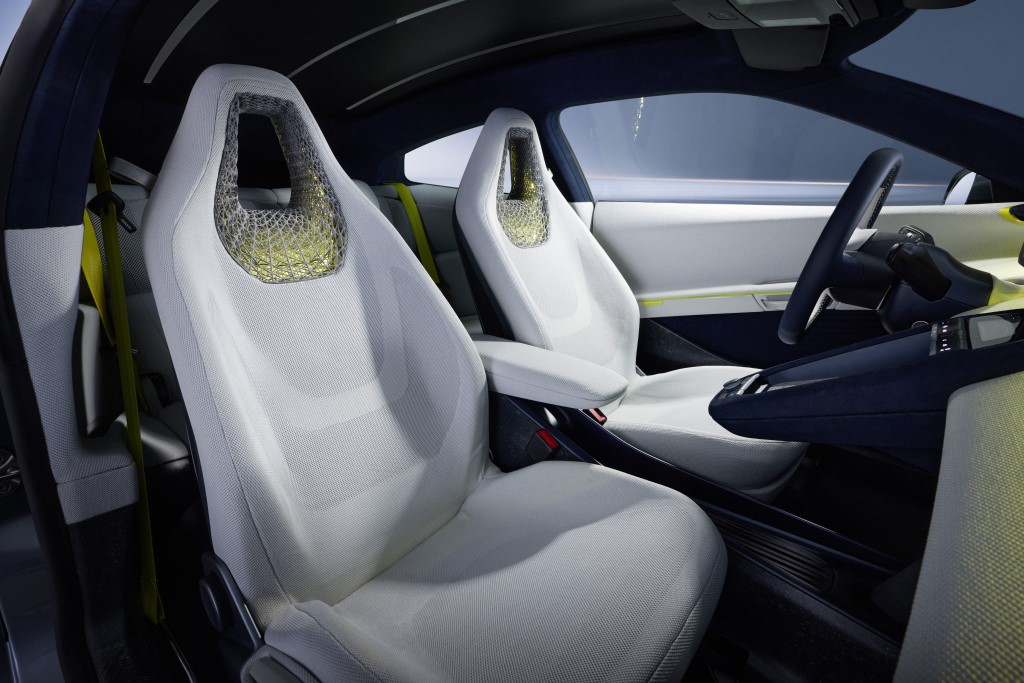
At 4,775mm long and 1,392mm tall, the Mission Efficiency coupé offers 2+2 seats and 481 litres of capacity in the luggage compartment.
The two rear seats are intended for passengers up to a height of 1.6 metres.
The prototype was designed so that it could theoretically be used by a young family of four.
The body combines components of the ID. Polo with a self-supporting aluminium structure and components made of a high-strength carbon fibre-reinforced polymer (CFRP) and aramid composite.
At the front, the Mission Efficiency uses the MacPherson front axle and the hydraulic brake from the ID. Polo.
For the first time, an electromechanical brake is being used at the rear.
This reduces friction losses, saves on lines and brake fluid and supports variable brake force distribution.
Rolling resistance as another decisive success factor.
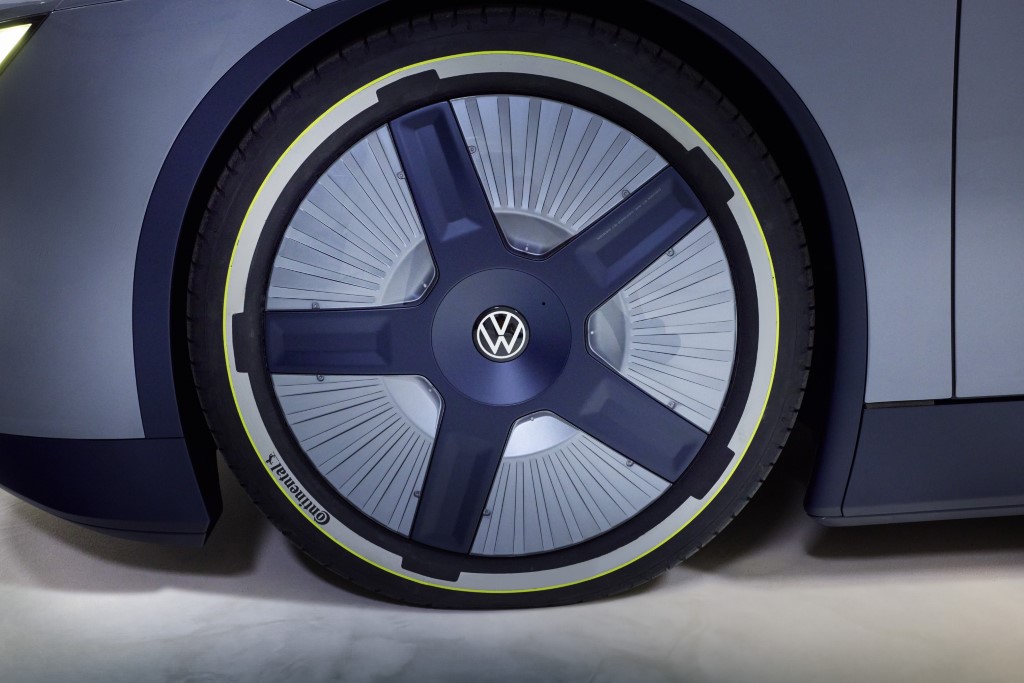
The wheels are responsible for 25 to 30 per cent of the aerodynamic resistance.
In the case of the front wheels, for example, the wheel arch was placed closely around the radius of the tyre to reduce turbulence in the wheel housing.
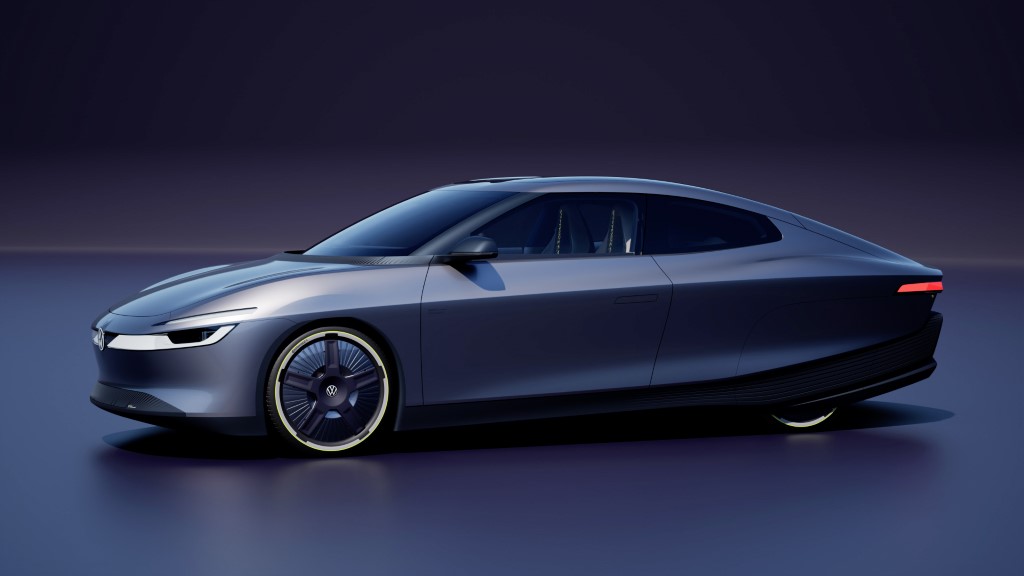
In addition, new and patented rim deflectors are used on the inside of all wheels.
They prevent air from entering the rims and causing turbulence there.
On the visible outside of the wheels, the flat, flow-optimised design of the hubcaps contributes to the excellent aerodynamics.
Working closely with Continental, Volkswagen developed a concept tyre based on the EcoContact 7 series tyre, which with a rolling resistance of 4.9 kilogrammes per tonne is about 25 per cent below the threshold for the EU’s best tyre label class A.
A photovoltaic system with a power output of 370W is integrated into the glass roof and boot lid, and supplies power to the on-board electrical system’s consumers.
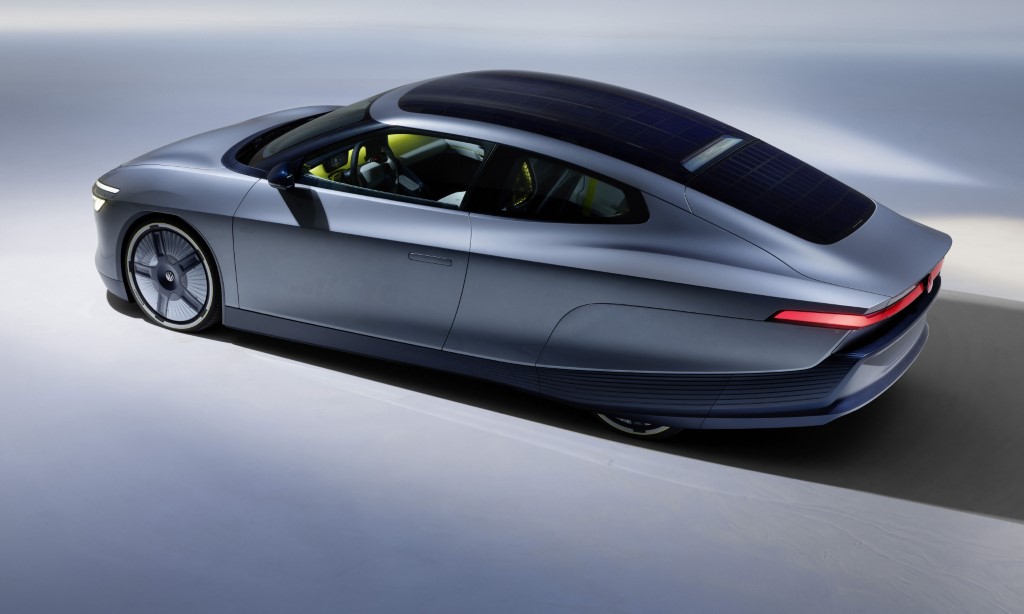
Depending on the season, region and weather, it can increase the real range by up to 30km per day.
In the interior, lightweight panelling, a mobile Bluetooth box as a replacement for the omitted speaker system and the “Bring your own device” concept reduce the weight: a smartphone or tablet takes the place of the infotainment system display.