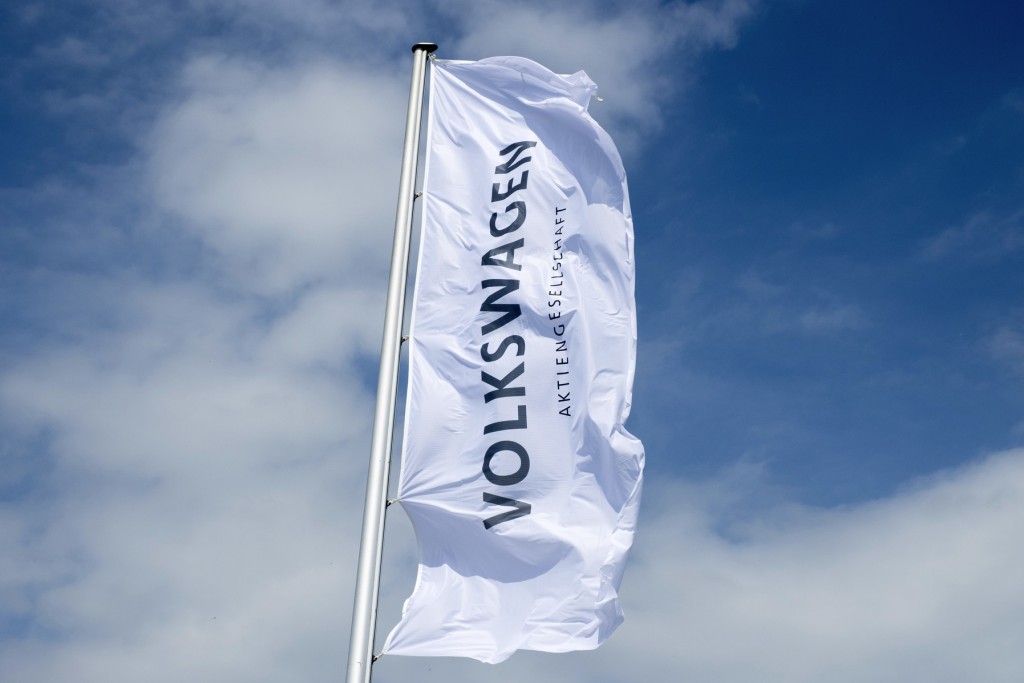
WOLFSBURG: Volkswagen AG is broadening its battery ambitions beyond electric vehicles into large-scale energy storage and trading as global EV demand falls short of expectations.
Europe's biggest automaker has started operations at its first major storage facility in Salzgitter, Germany.
The setup, part of VW's Elli energy subsidiary, can supply as many as 20,000 homes for roughly two hours.
The site connects directly to the grid and will also be used for energy trading on the European power exchange EPEX SPOT.
It uses cells from Volkswagen's in-house PowerCo division, which once targeted as many as seven EV battery plants and has already scaled back ambitions for its German cell factory, also located in Salzgitter.
Volkswagen is seeking new battery revenue streams as China's dominant suppliers cut their prices and EV growth rates slow.
The automaker previously targeted enough production to supply about 3 million EVs annually by 2030 - a goal set when growth forecasts were far more bullish.
Energy storage is in high demand due to a surge in power-hungry data centers and more renewable energy plants feeding into electricity grids.
"Energy storage and energy trading represent a new strategic business area with strong growth potential," Chief Executive Officer Oliver Blume said.
Since launching PowerCo in 2022, Volkswagen has halved the ramp-up capacity at the Salzgitter cell plant to 20 gigawatt-hours annually, reflecting weaker-than-expected EV uptake.
While the company has stuck with plans for long-term capacity of as much as 200 gigawatt-hours across three planned factories in Germany, Spain and Canada, executives have acknowledged that the expansion will depend on conditions in the automotive market.
VW has also reduced overall investment plans for the group, and said PowerCo may seek external funding for mid-term financing.
By linking cell manufacturing, stationary storage and digital energy trading at a single site, VW wants to create a closed-loop battery ecosystem in Salzgitter.
Leveraging battery technology for grid services and energy trading, the carmaker could cushion losses at PowerCo and support Germany's shift to renewables, just as the Iran war fuels a surge in oil and gas prices.