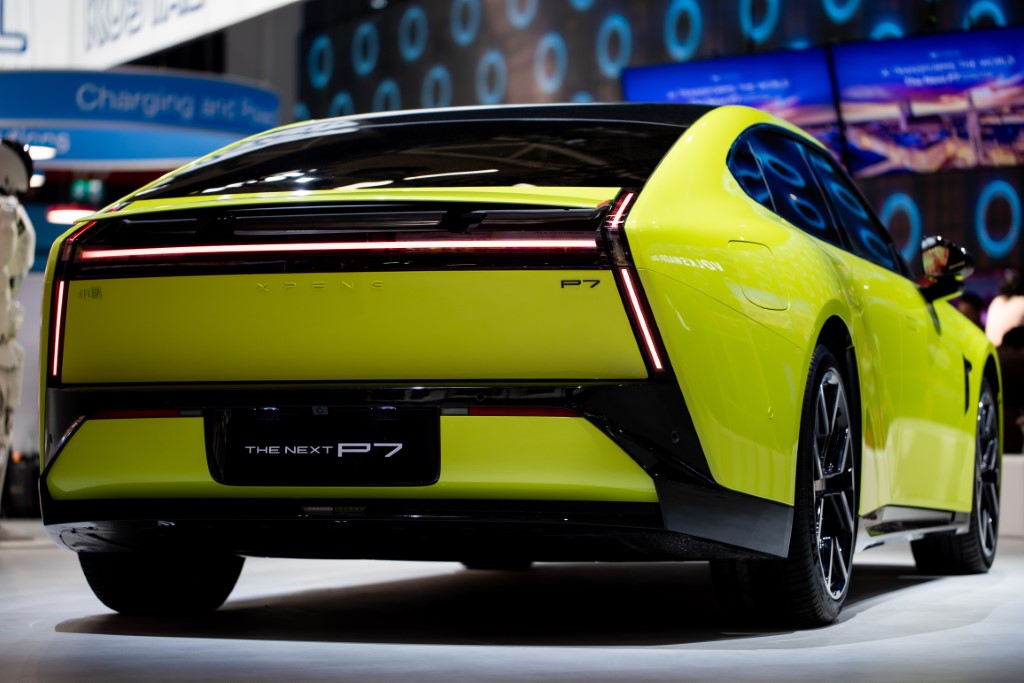
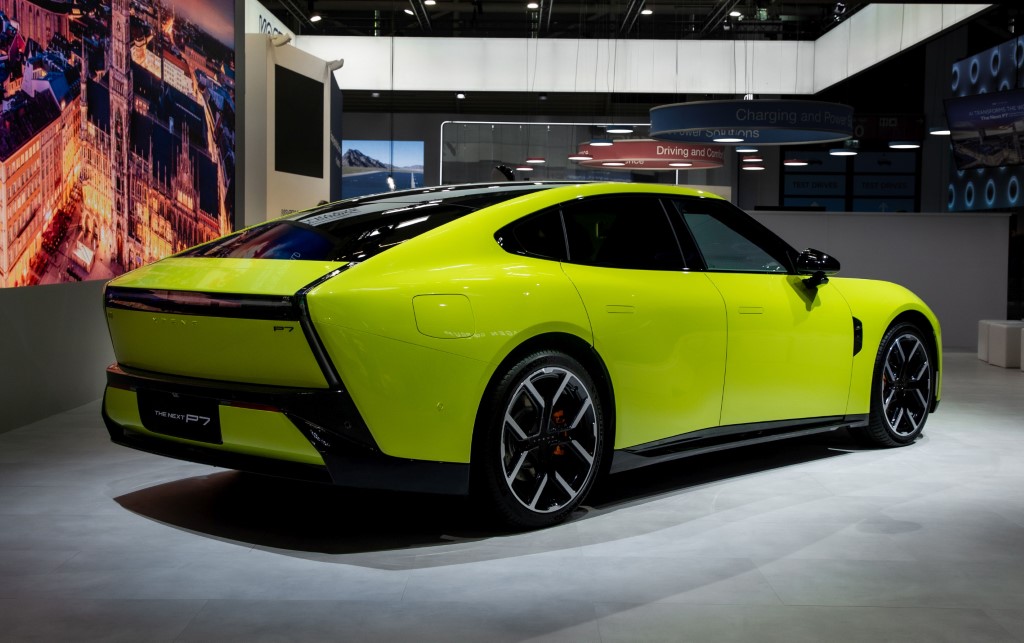
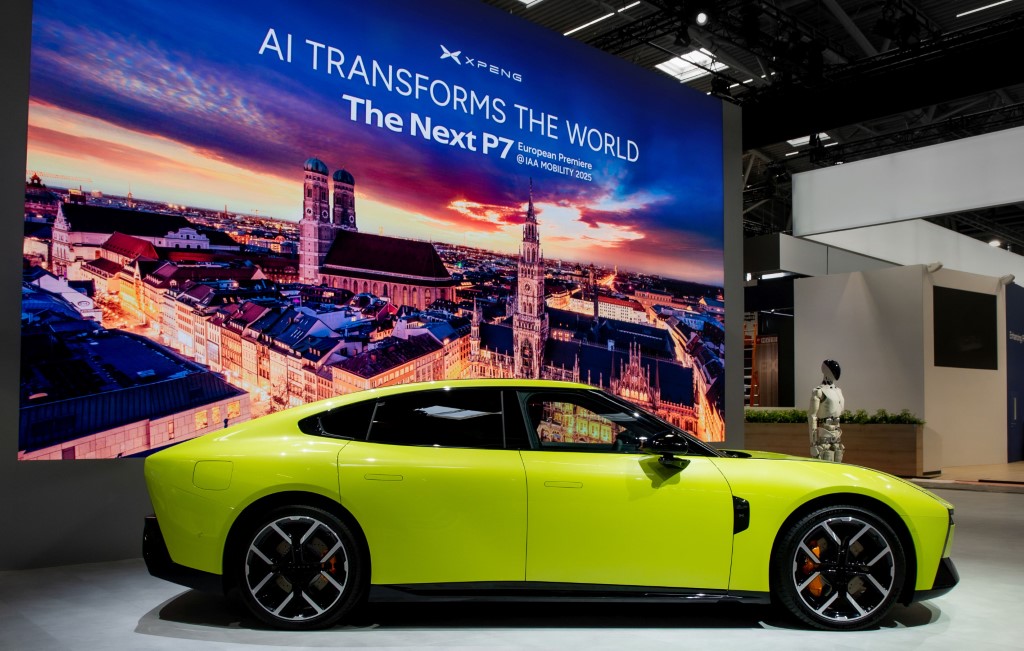
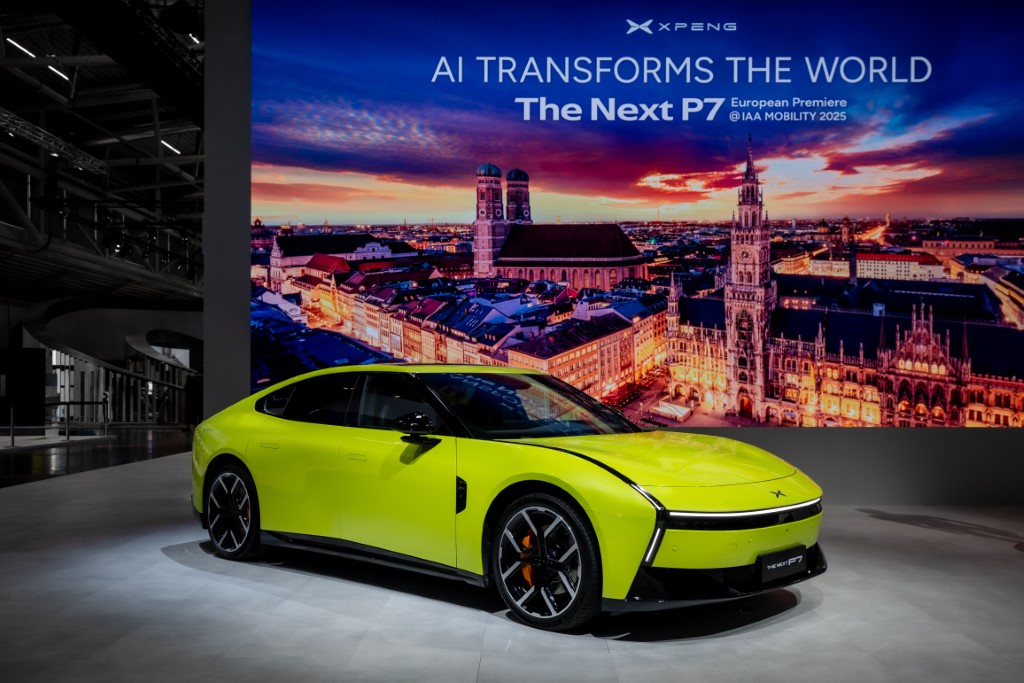
MUNICH: Chinese automaker Xpeng made a splash at the recent IAA Mobility 2025 in Munich, which saw the European debut of the marque's next-generation P7 electric sports sedan.
Xpeng's vision for artificial intelligence (AI)-powered mobility is reflected in its diverse product portfolio, which took centre stage at IAA Munich 2025.
Vehicle models showcased included the new Xpeng G6 and G9 sport utility vehicles (SUVs), the X9 multi-purpose vehicle (MPV), and the P7+ - billed as the world’s first AI-defined vehicle, which is set to launch in Europe soon.
Meanwhile, the next-generation P7 is touted as combining a futuristic design and supercar-level performance.
Under the hood, it delivers 593PS, accelerates from 0–100kph in 3.7 seconds, and reaches 230kph.
It has also set a new benchmark for electric vehicle (EV) durability, covering 3,961km in 24 hours — an endurance record for mass-produced electric vehicles.
Xpeng is also redefining the skies via its flying car subsidiary, Xpeng Aeroht, which has dedicated 12 years to research and development (R&D) and iterated seven generations of prototypes.
This October, its "Land Aircraft Carrier" — the world’s first modular flying car — will make its maiden international flight in Dubai.
With 5,000 pre-orders, its mass production is expected by late 2026, potentially positioning Aeroht as the world’s largest flying vehicle company.
Also, Xpeng has been extending AI mobility into robotics.
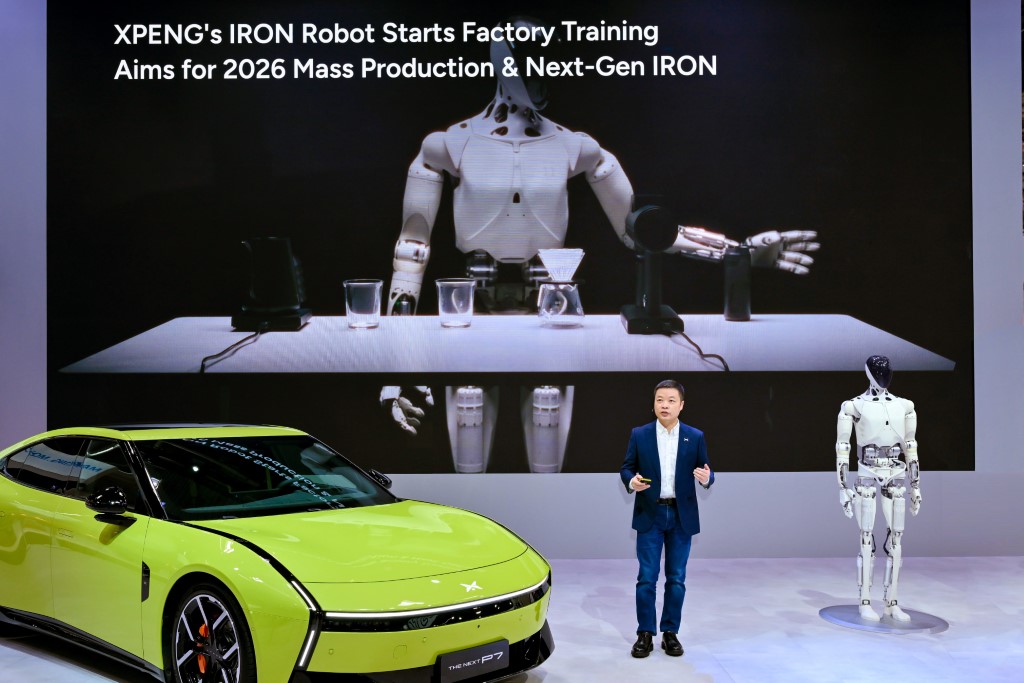
Its humanoid robot Iron — developed over five years and through six generations — is now undergoing training in factory settings and is expected to enter mass production in 2026.
Meanwhile, the company’s next-generation humanoid robot is set to launch in the fourth quarter of 2025.
As the next milestone in its global aspiration, Xpeng is also officially opening its Munich R&D Centre in September — its first in Europe — to innovate future AI mobility and engage closely with European users.
The Munich centre is the marque's ninth global R&D hub — joining Silicon Valley and San Diego.
Xpeng chairman and CEO He Xiaopeng said, "With the next-generation P7, we are demonstrating to users around the world how AI can transform the car into a warm, intelligent companion."
"It demonstrates our full-stack, self-developed AI capabilities. Xpeng doesn’t just build cars, we are creating smart and sustainable mobility experiences for global users. The new Munich R&D center demonstrates our strong commitment to creating these experiences together with Europe, deepening partnerships, driving local innovation, and serving European users with cutting-edge mobility solutions," he added.
Xpeng vice chairman and president Dr Brian Gu said, "Since our first appearance at IAA Mobility in 2023 as an emerging Chinese EV brand, Xpeng has returned in 2025 having quickly grown into the world’s sixth-largest EV player."
"We now serve users in over 46 markets and will continue expanding globally, delivering innovative products and smart technologies to help accelerate the shift to sustainable mobility," added Gu.
Also, Xpeng is advancing toward mass-producing L4 autonomous driving vehicles by 2026 and launching robotaxi trials in China.
Its Navigation Guided Pilot (NGP) smart driving system has also started global adaptation, with the goal of offering smart driving experiences to users by the fourth quarter of 2026.